A future Honda and Nissan partnership may have considerably more in common than their owners realize. Not engines. Not necessarily batteries either. But the computers running the cars.
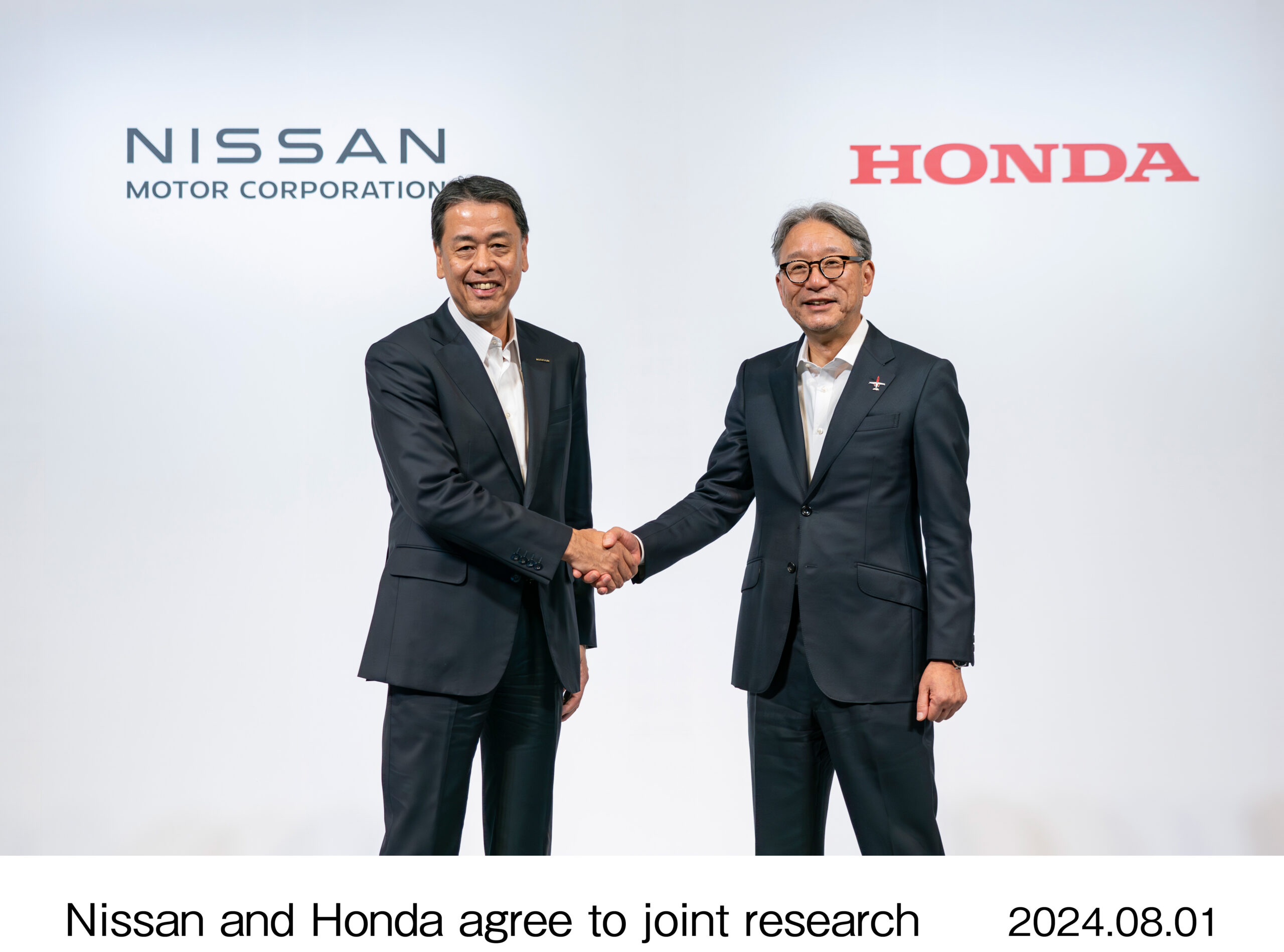
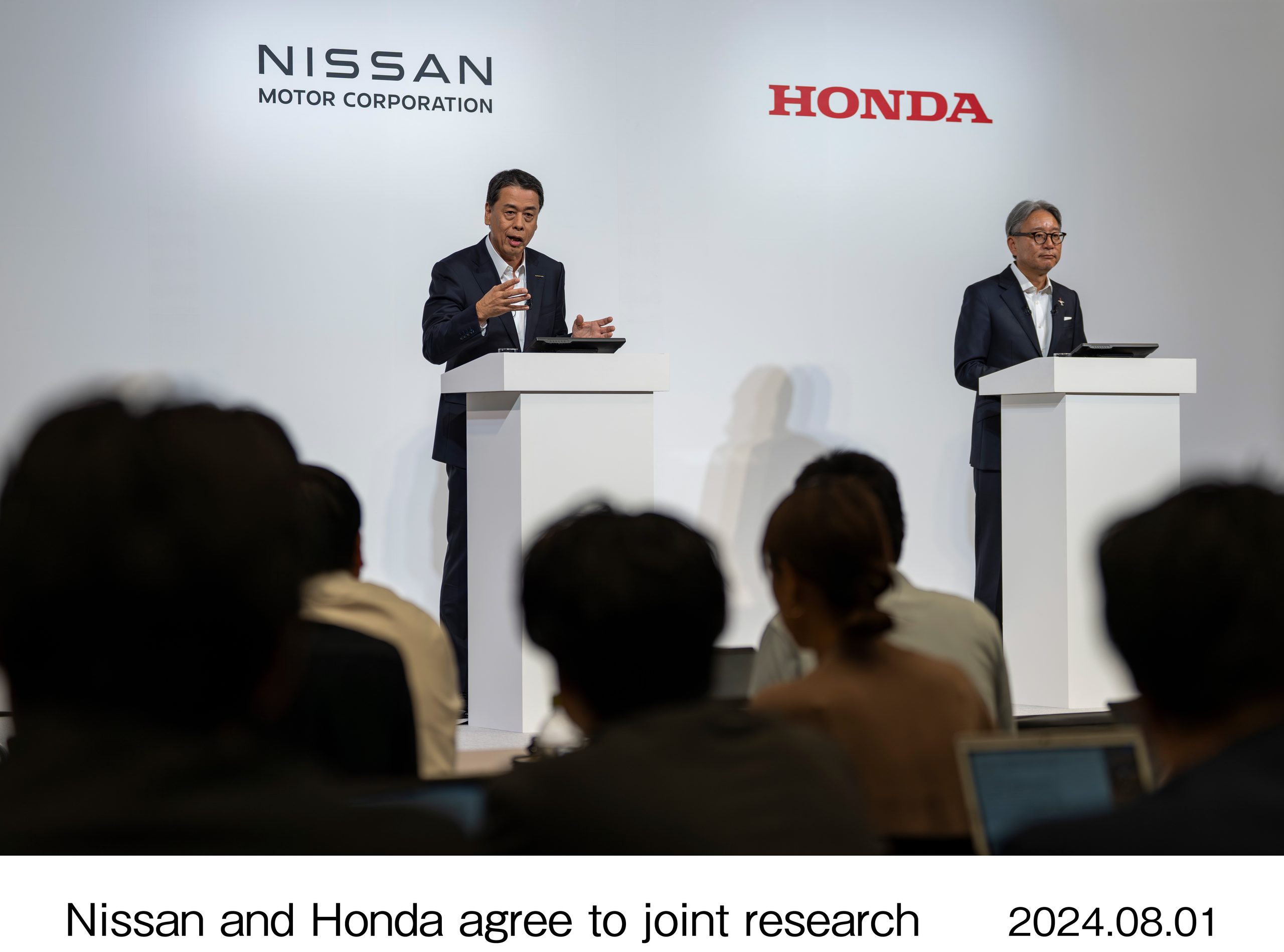
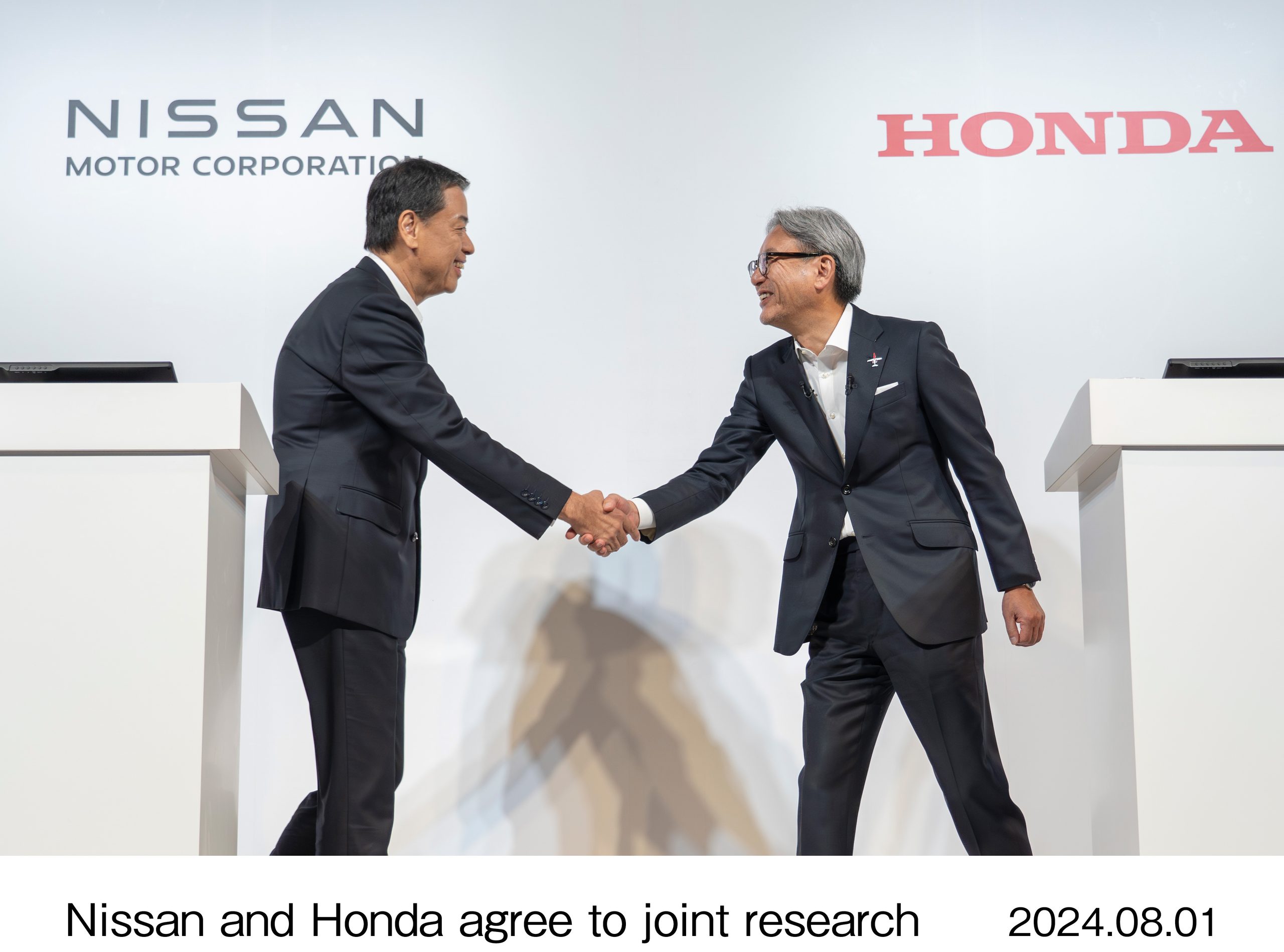
Honda and Nissan have signed a joint development agreement covering the electronic architecture and software that will sit at the center of their next generation of software-defined vehicles.
The technology is planned to reach production cars from fiscal year 2029 onward.
At first glance, standardized ECUs sound considerably less exciting than a new Civic Type R or Nissan GT-R.
But this could have a much larger influence on ordinary cars.
Modern vehicles contain an extraordinary amount of computing hardware. Electronic control units manage everything from powertrain functions and driver assistance to infotainment, body electronics and increasingly sophisticated connected services.
The industry is now trying to simplify that arrangement. Instead of dozens of relatively isolated computers performing individual jobs, software-defined vehicles increasingly rely on powerful central computers and zone controllers.
In that regard, Honda and Nissan want to develop parts of that foundation together. The agreement covers high-performance main ECUs, zone ECUs, the in-vehicle operating system and important sections of middleware and vehicle-control software.
In other words, they’re not simply agreeing to buy the same touchscreen. They’re actually collaborating much deeper inside the electronic architecture.
Why would two historic Japanese rivals want to do that? Money is one obvious answer.
Software development is becoming brutally expensive. Manufacturers are effectively being asked to become technology companies while simultaneously continuing to develop cars, batteries, motors, safety systems and manufacturing facilities.
Doing everything independently means duplicating enormous amounts of engineering work. Honda and Nissan specifically say the partnership should improve development efficiency, reduce costs and create economies of scale.
There is another advantage: a common electronic foundation doesn’t necessarily mean future Hondas and Nissans have to feel identical.
Think about Volkswagen Group products. Several brands can share underlying technology while engineers change suspension, steering, design, powertrain calibration and software presentation to create very different cars.
Also, Honda and Nissan could potentially follow a similar principle, which is: build the expensive digital plumbing together and differentiate what the customer actually experiences.
The risk, naturally, is going too far.
Software has become part of a car’s personality. Infotainment design, driver-assistance behavior and even the way basic controls respond increasingly affect whether a vehicle feels pleasant or irritating to use.
Nobody wants a future Civic and Nissan Sentra to become the same computer wearing different bodywork. But sharing invisible infrastructure isn’t automatically a bad thing.
If collaboration means both companies can spend less money reinventing the same ECU and more money improving the products built around it, customers may never notice the shared technology. They’ll simply notice that the software works.
And given the state of some modern automotive software, that wouldn’t be a bad achievement.