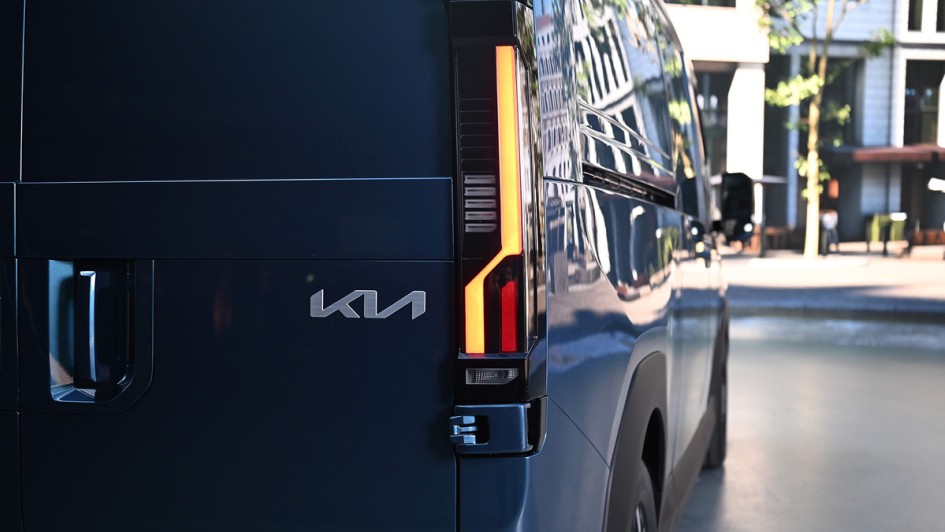
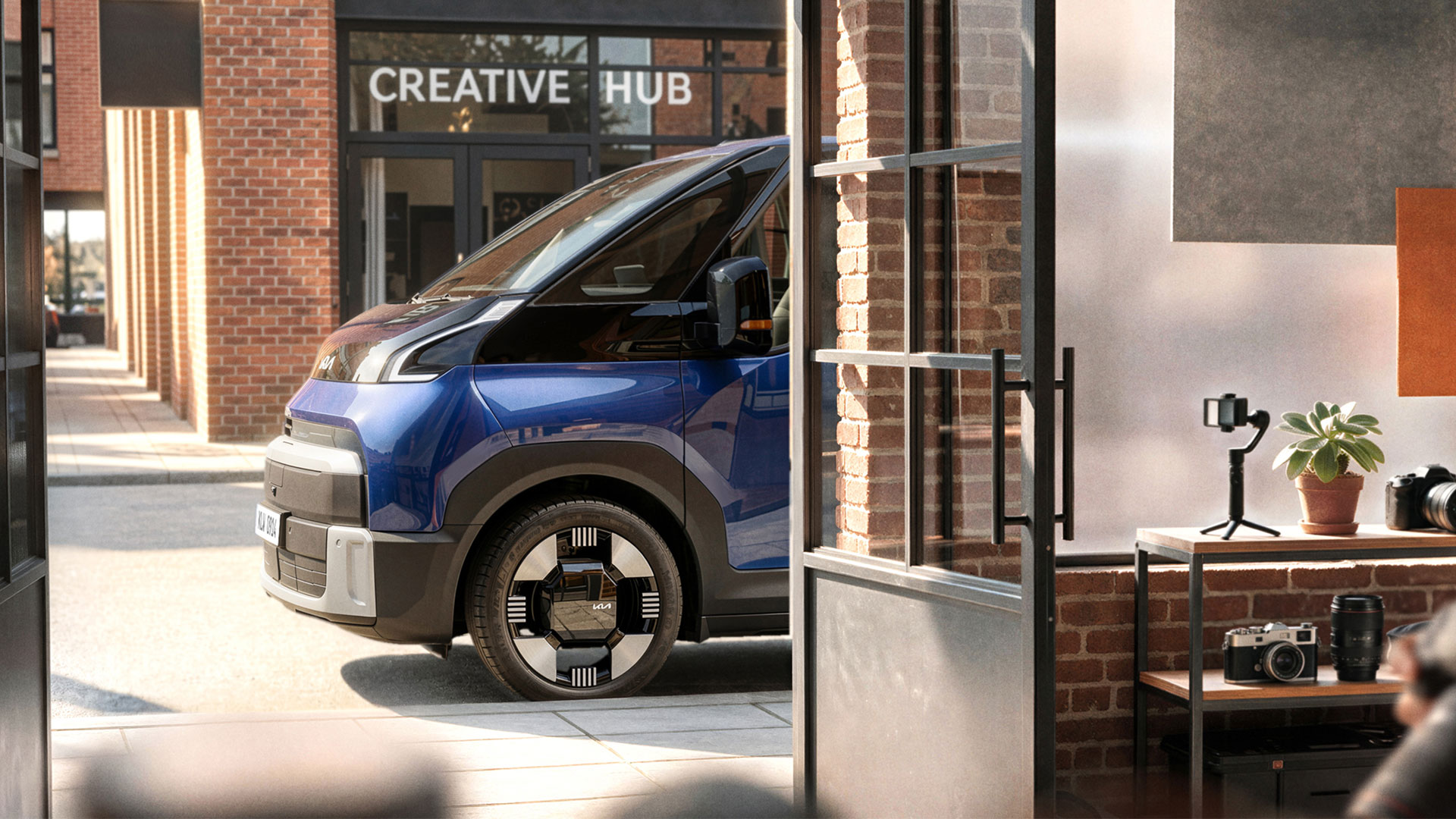
Electric vans tend to be discussed using the same vocabulary as electric cars.Range. Charging speed. Battery capacity.
Businesses usually have another question first: how much stuff can it carry? Kia appears to understand the distinction.
The company has revealed the new PV7, the second production model in its Platform Beyond Vehicle strategy and a larger companion to the PV5. It will be offered in both Cargo and Passenger configurations, with European and Korean sales planned for the second half of 2027.
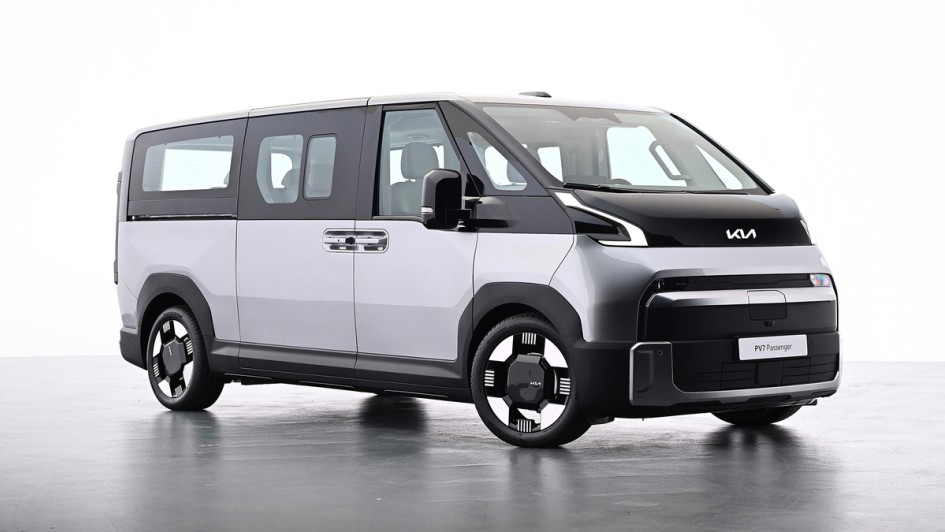
Underneath is Kia’s dedicated E-GMP.S architecture, developed specifically for these modular vehicles rather than adapted from a conventional passenger car.
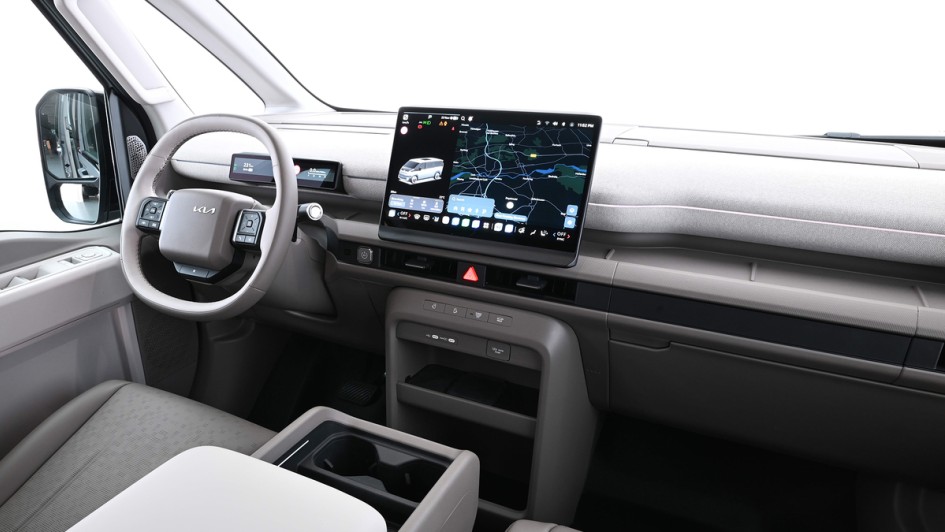
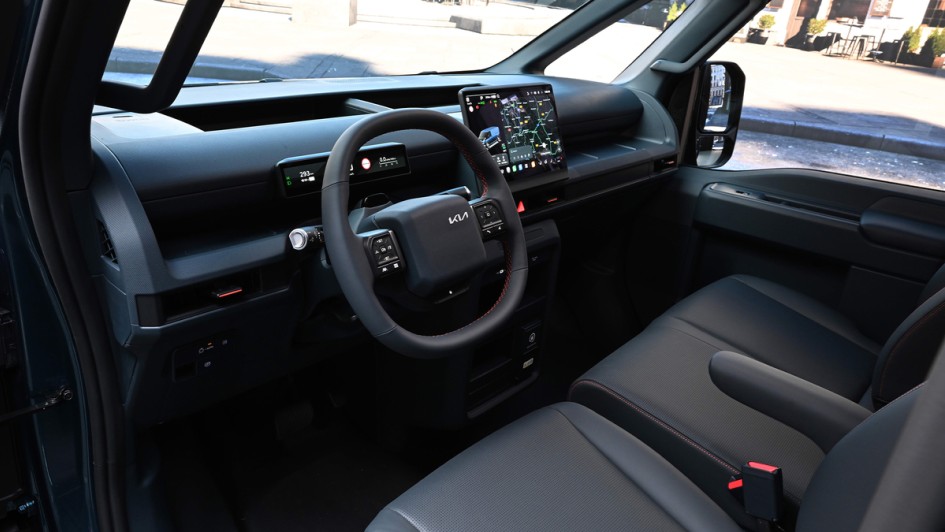
That gives Kia considerably more freedom with the interior.
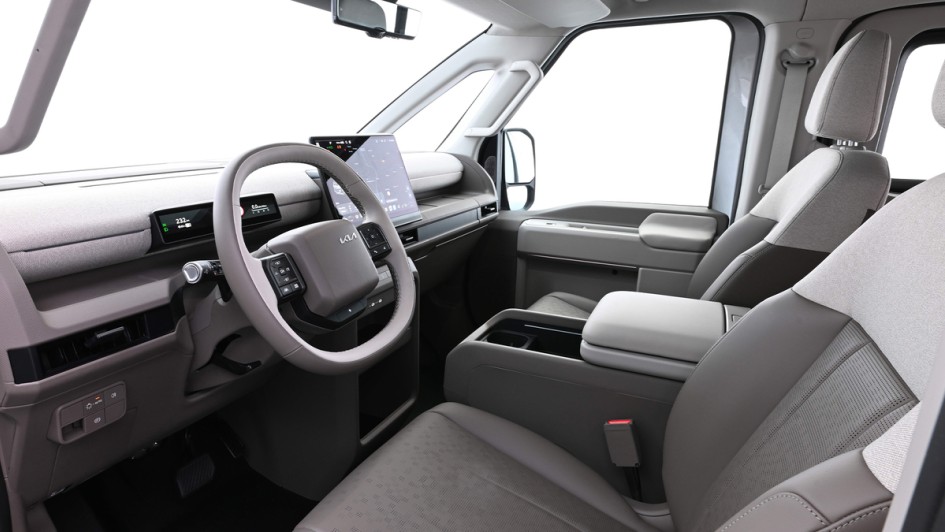
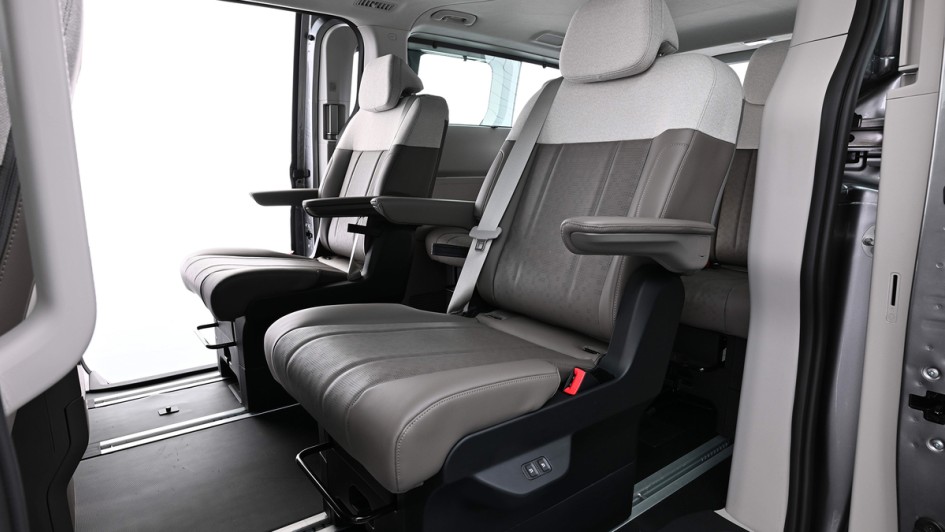
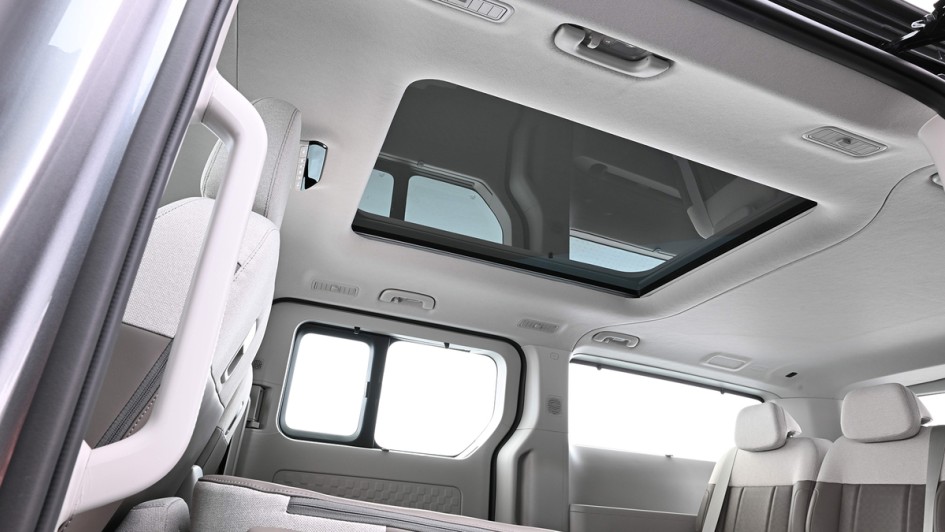
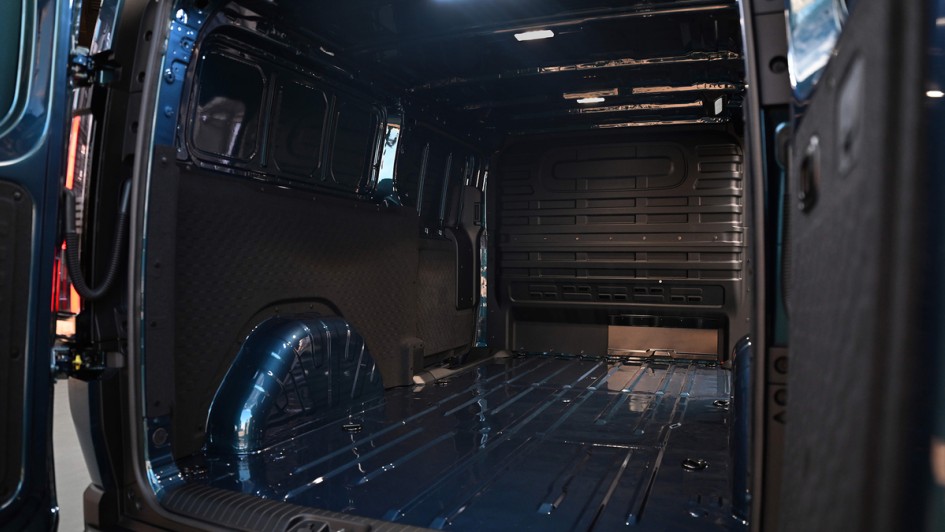
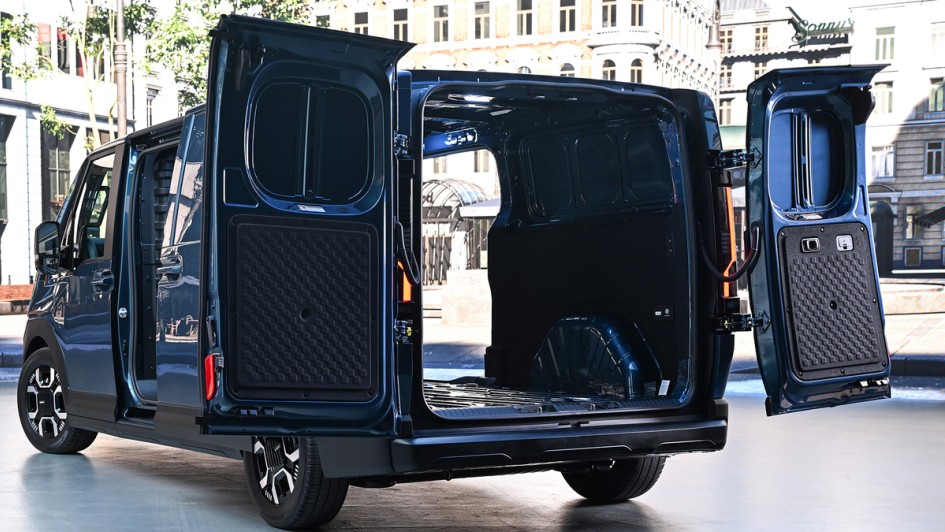
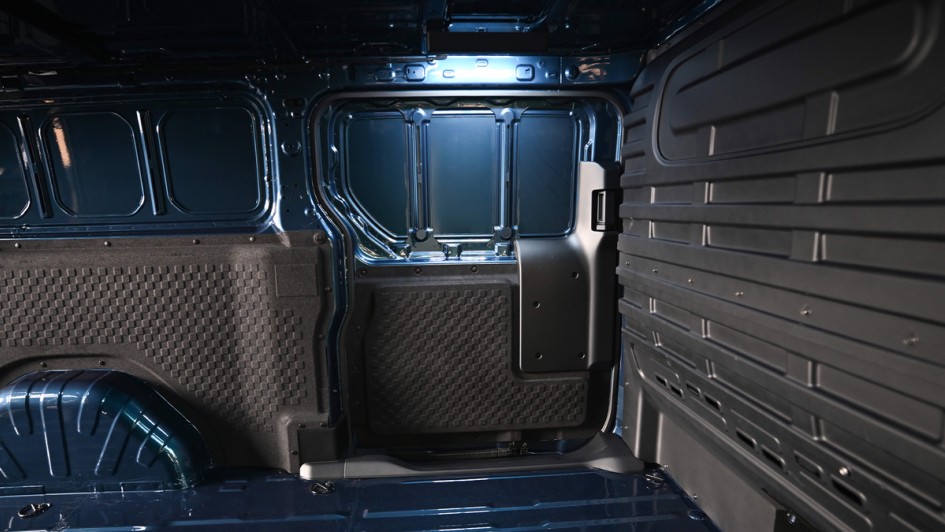
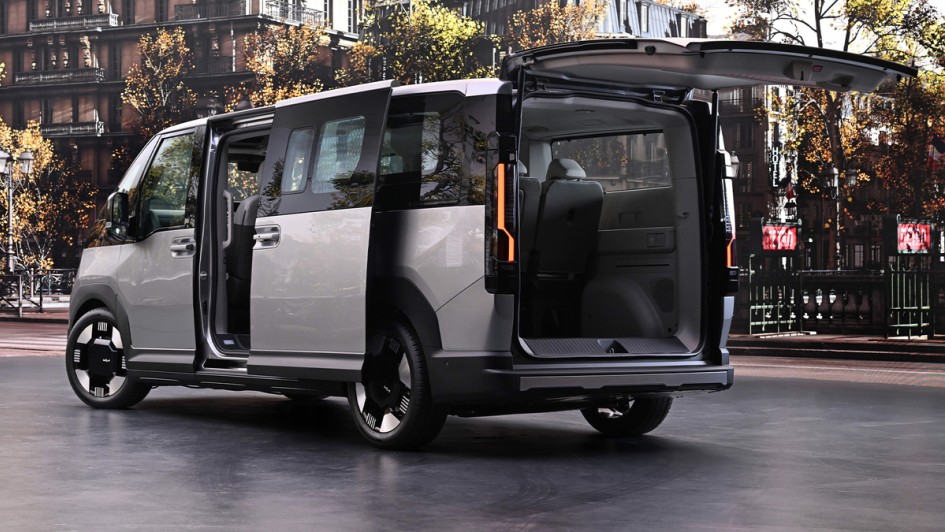
The PV7 has a completely flat floor, while the Cargo model combines a low loading height with a large, squared-off load area. Passenger versions use configurable seating arrangements intended to accommodate everything from families to shuttle services.
None of that sounds as exciting as a 600-hp electric sedan. For somebody loading boxes into a van eight hours a day, it’s considerably more relevant.
The electrical architecture is still interesting, though.
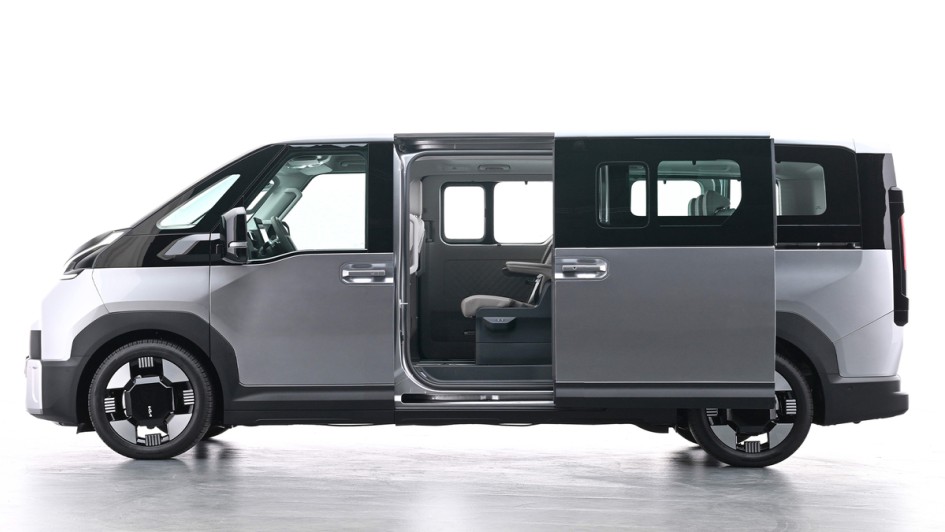
Kia has equipped the PV7 with 800-volt charging technology, the same broad approach that has allowed vehicles such as the EV6 and EV9 to establish a reputation for rapid DC charging. Final market specifications and homologated consumption figures will arrive closer to launch, so treating preliminary numbers as final would be premature.
What Kia is emphasizing instead is flexibility.
Cargo and Passenger versions are only the beginning. The company plans additional derivatives and conversion-ready models, allowing businesses to create specialized vehicles without effectively dismantling a standard van first.
That idea sits at the center of Kia’s PBV strategy.
Rather than producing one electric van and asking every business to adapt its operation around it, Kia wants the underlying vehicle to adapt to different jobs. Connected services and fleet-management tools are being developed alongside the hardware, making the PV7 part of a larger commercial ecosystem rather than simply another model in the showroom.
The timing is interesting too.
Traditional commercial-vehicle manufacturers are accelerating their electric programs just as passenger-car companies such as Kia move deeper into the van market. Ford, Mercedes-Benz, Volkswagen and Stellantis already understand commercial customers extremely well, so Kia isn’t entering an easy segment.
It does have one advantage.
Starting with a dedicated electric platform means the PV7 doesn’t have to preserve packaging decisions originally made around an engine, gearbox, fuel tank and exhaust system.
That brings us back to the flat floor.
Eight-hundred-volt charging looks excellent in a brochure, and it could make the PV7 considerably easier to operate during a busy working day.
But commercial vehicles ultimately succeed by making boring jobs easier.
More cargo space, easier access and fewer awkward shapes inside the load area may not sound revolutionary.
Try telling that to the person who has to climb into the back 30 times before lunch.