Category: EV

  • The New Hyundai Tucson Gets Smarter Hybrid Tech – but Thankfully It Still Looks Like an SUV

    The New Hyundai Tucson Gets Smarter Hybrid Tech – but Thankfully It Still Looks Like an SUV

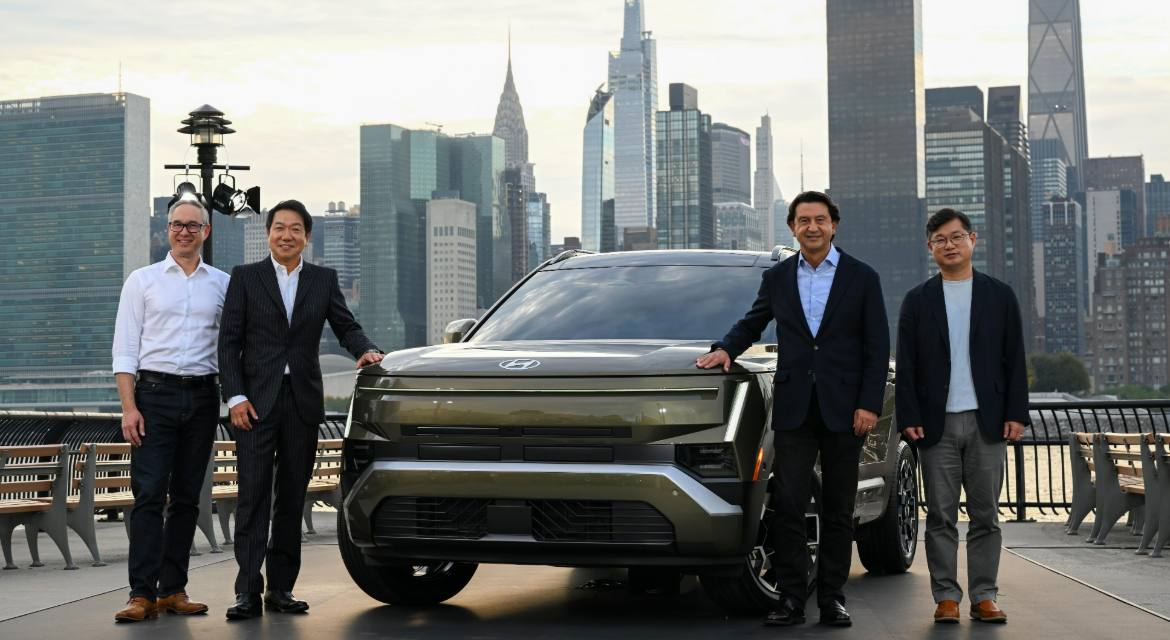
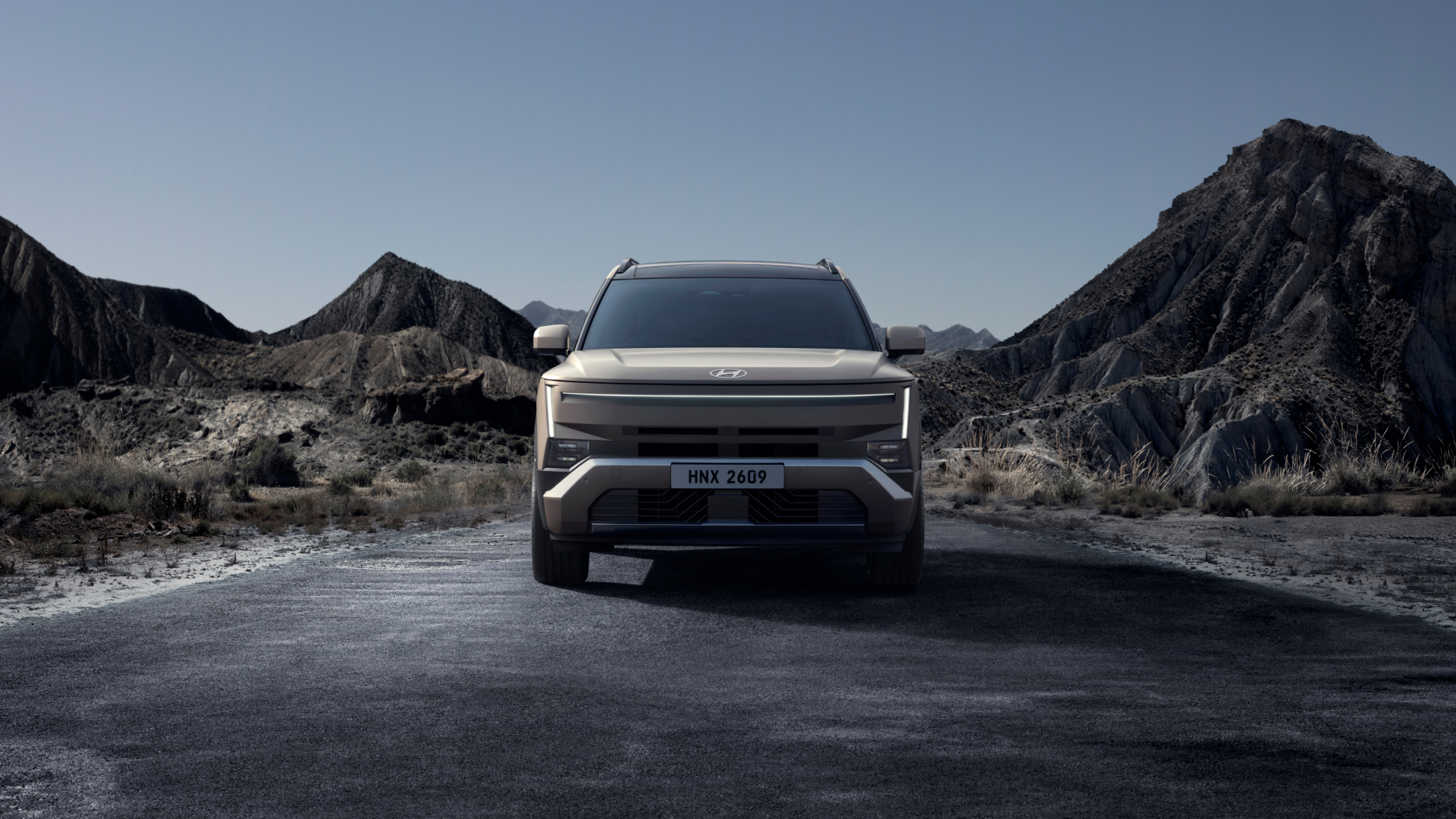
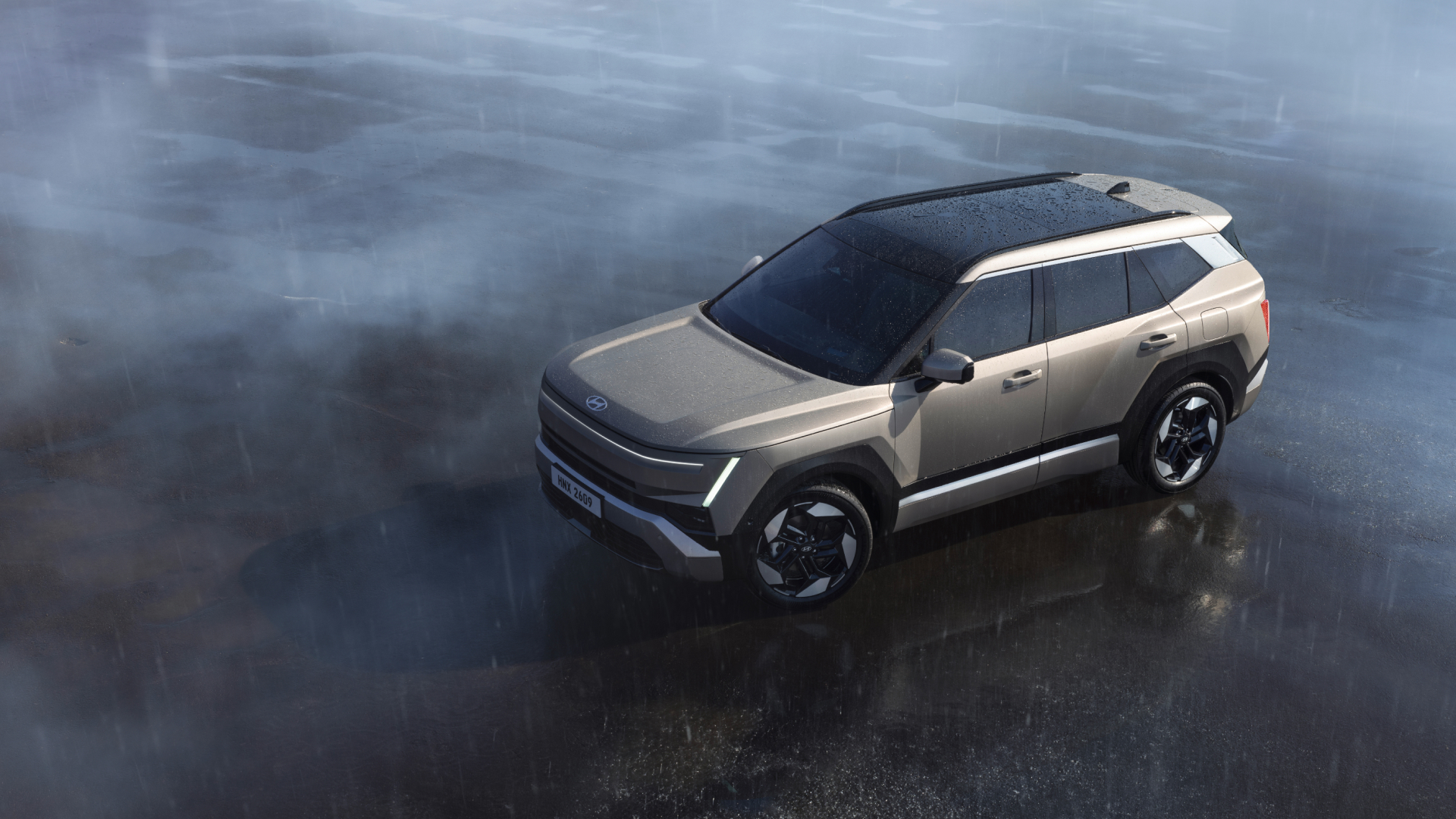
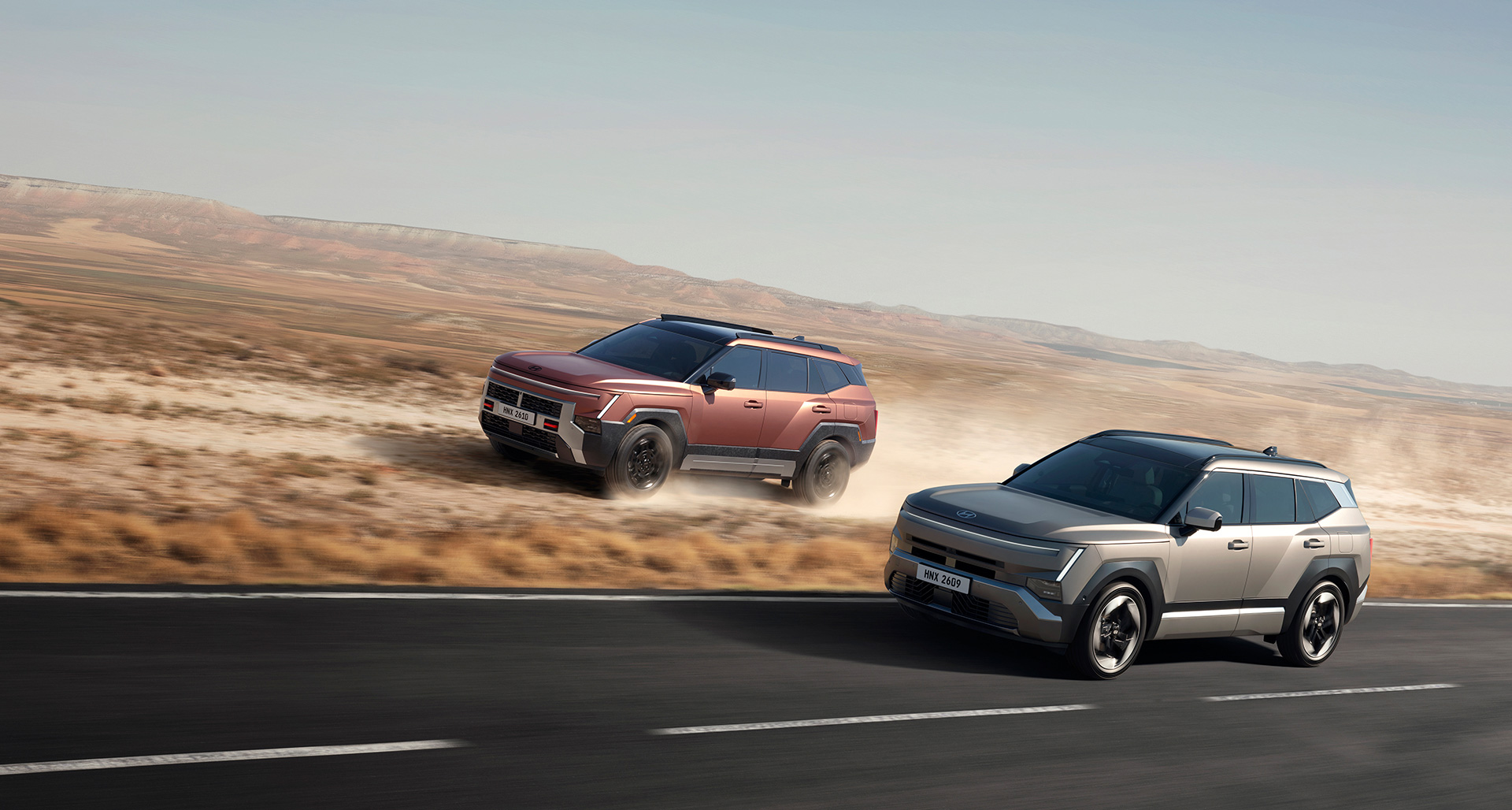
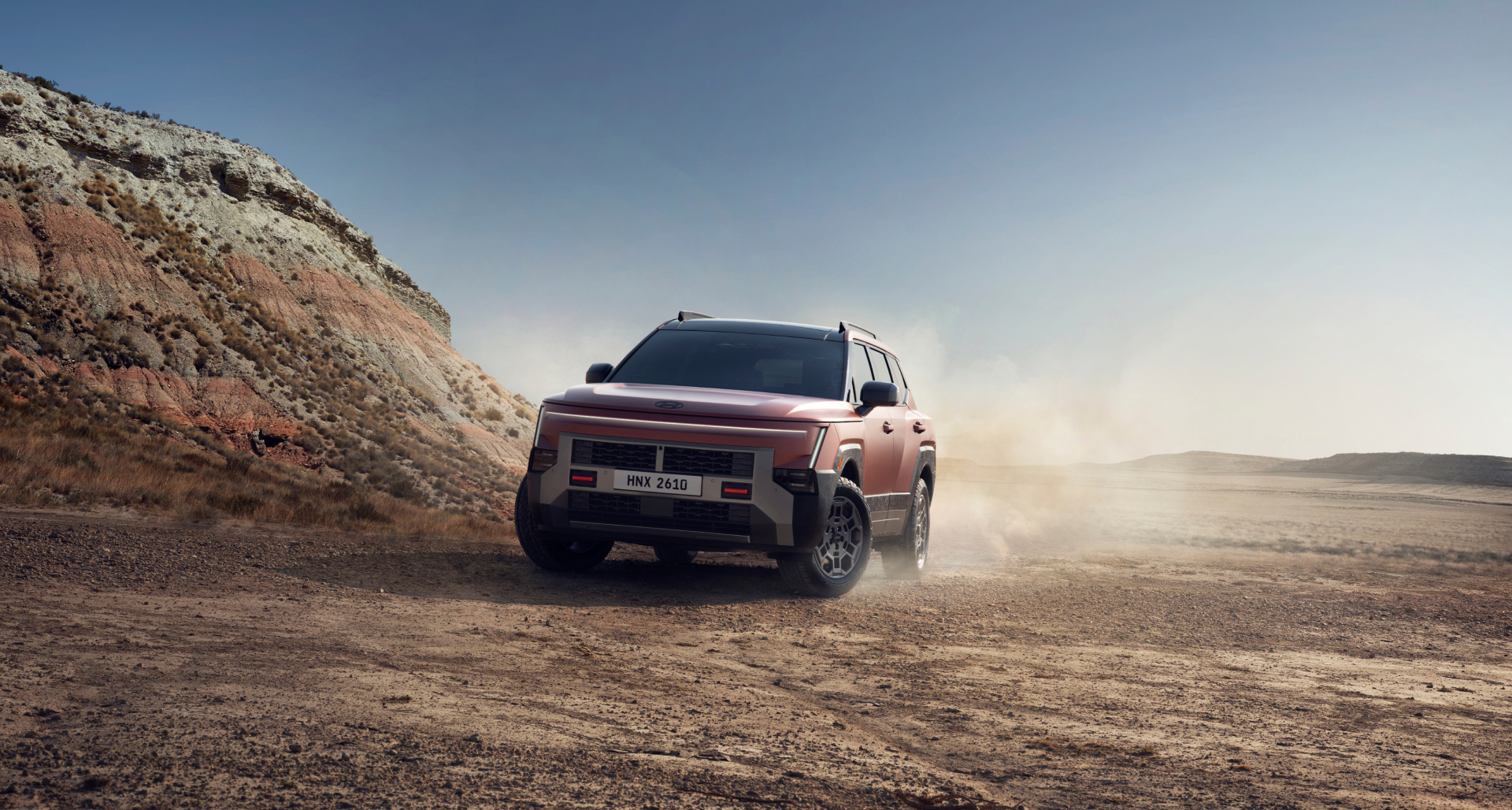
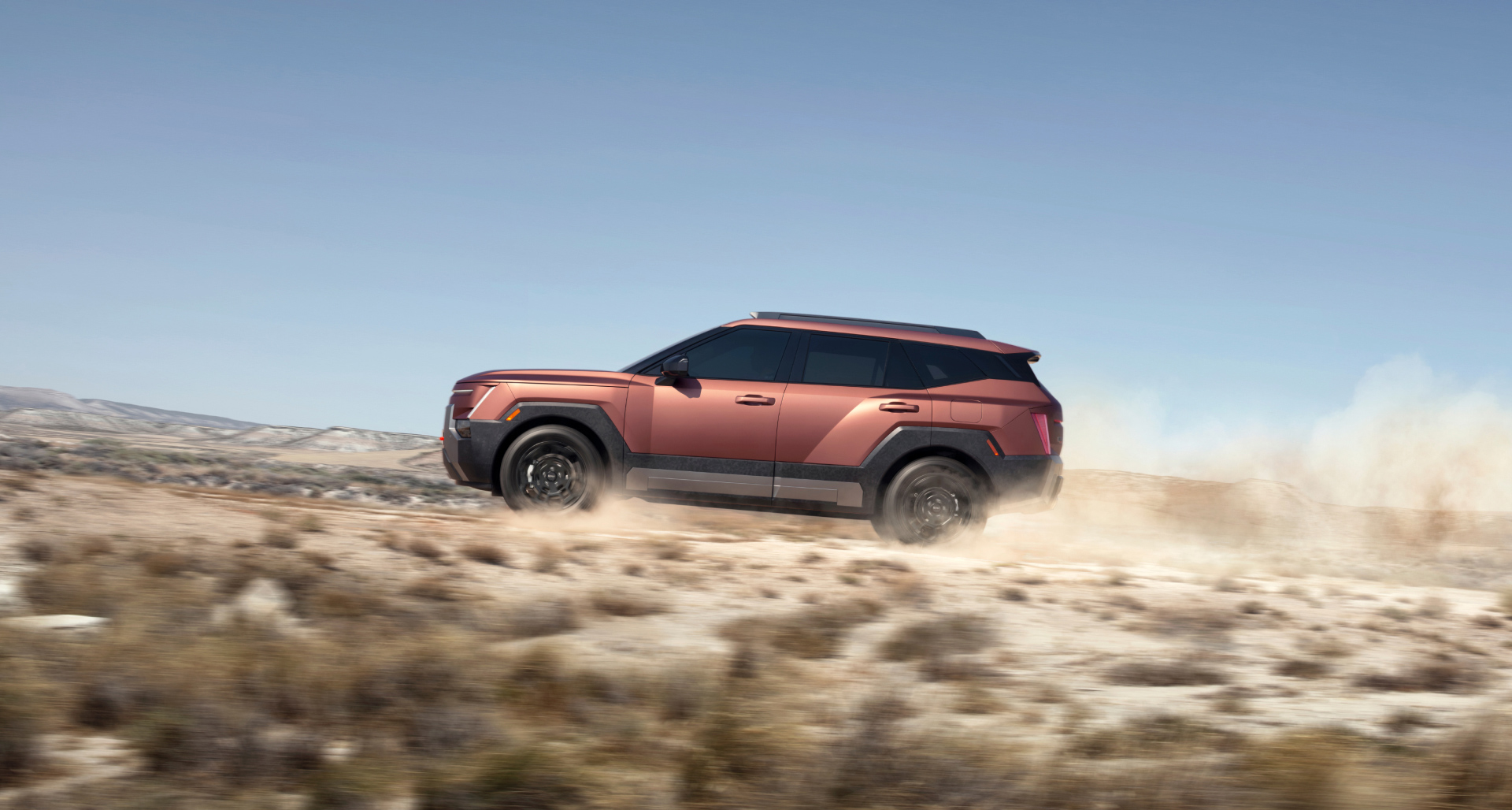
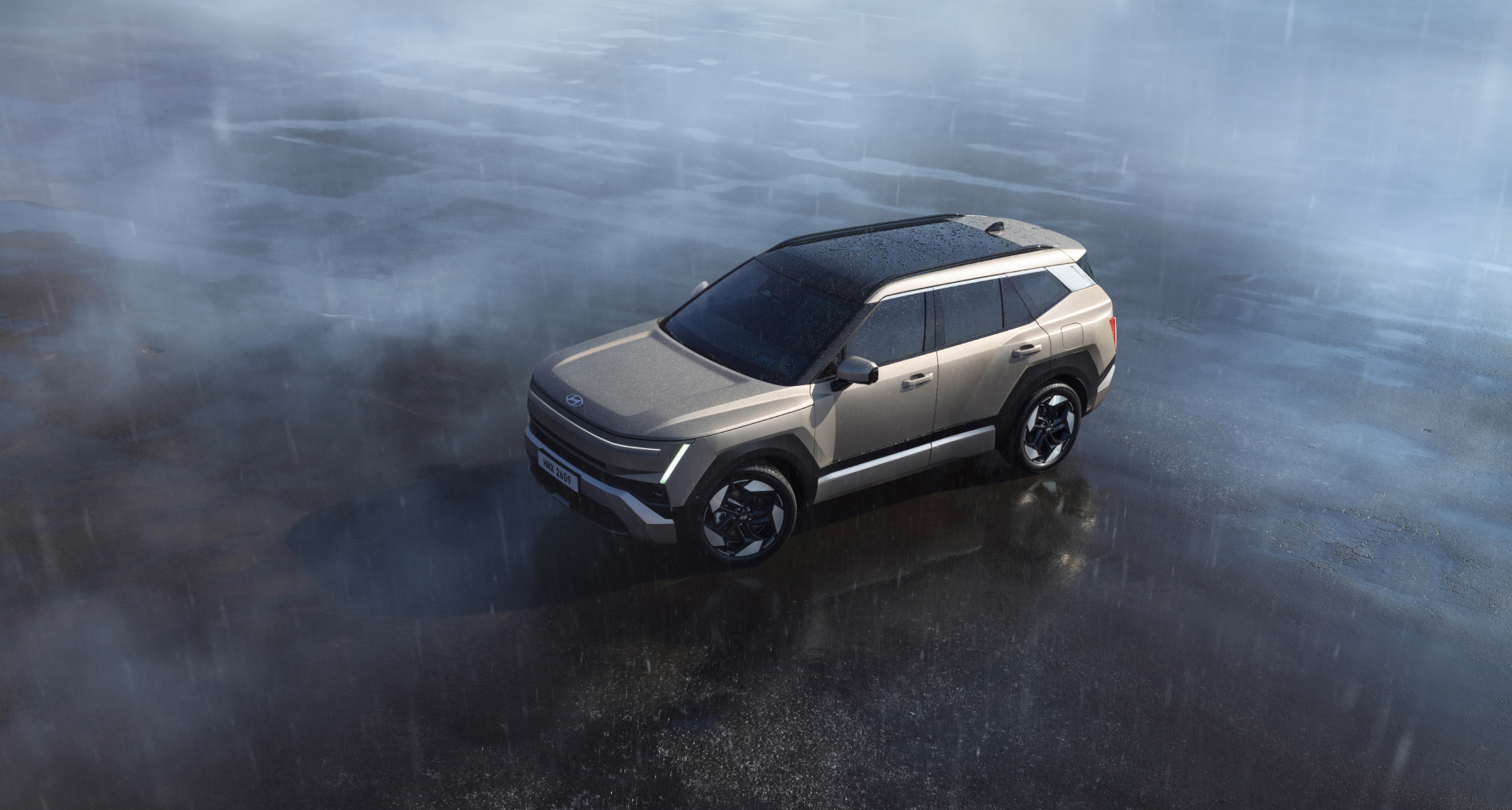
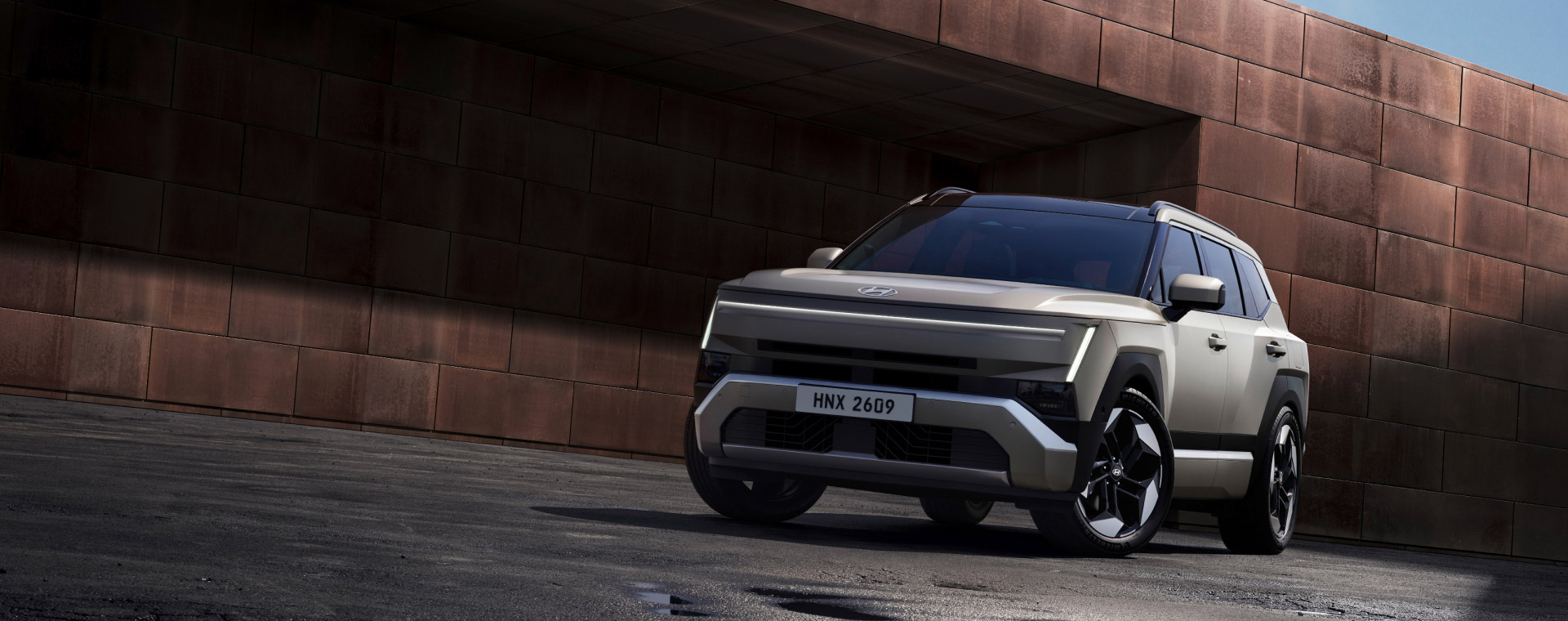
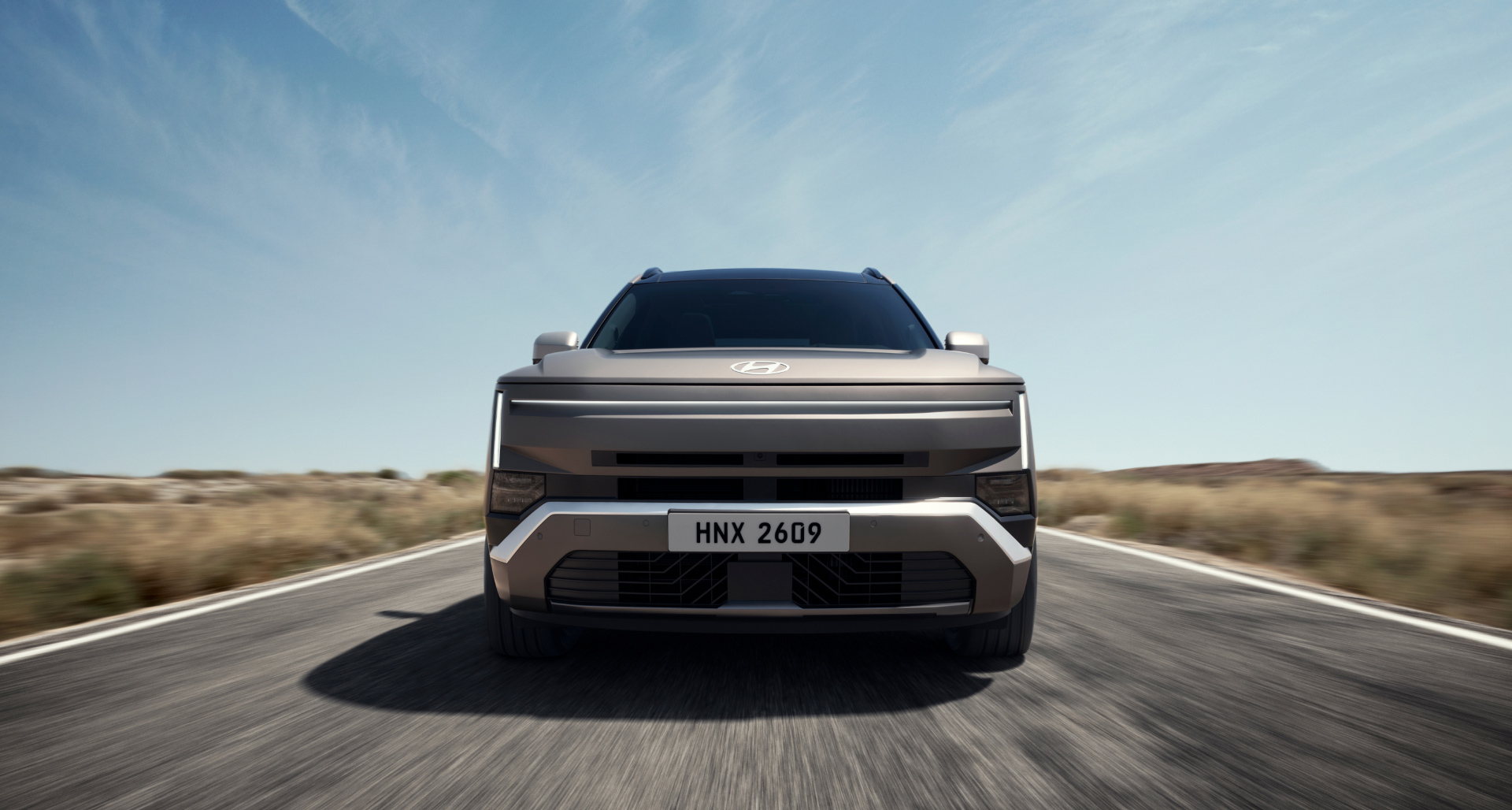
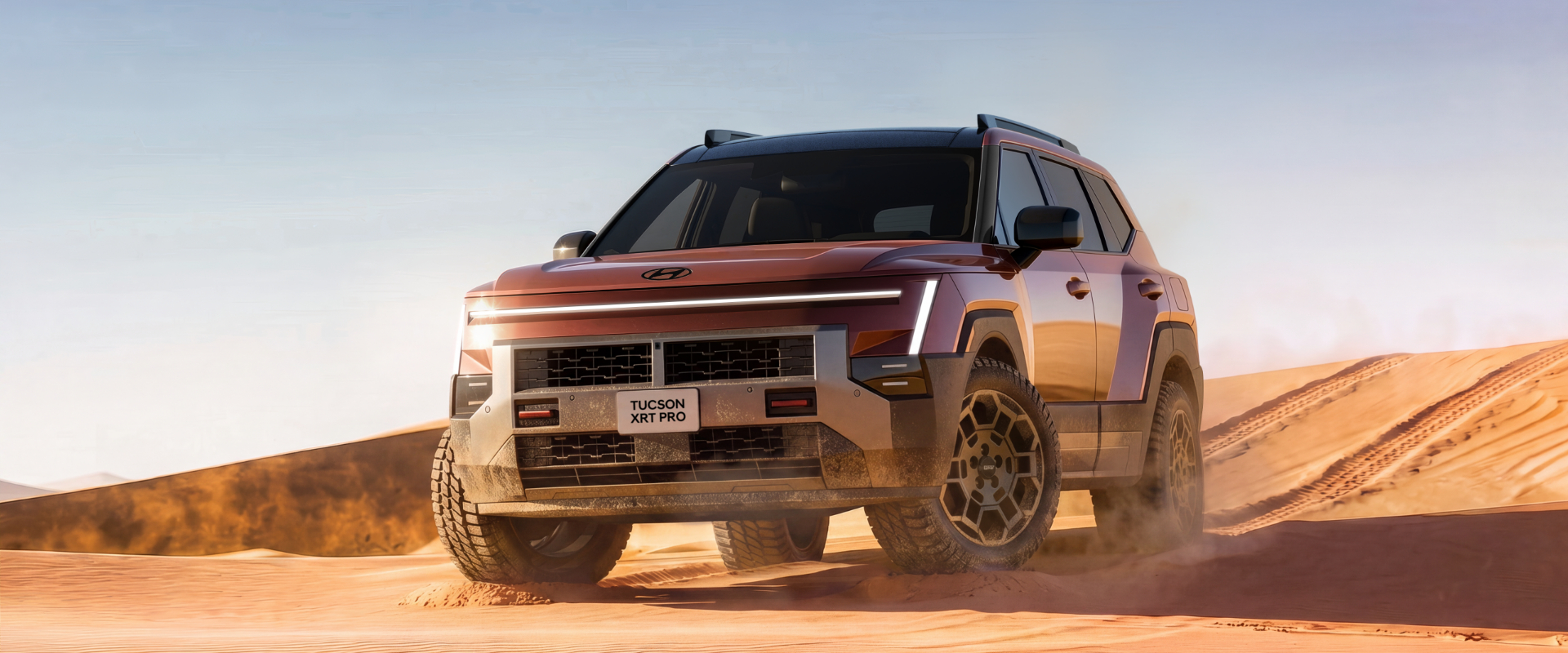
    Hyundai has unveiled the new Tucson, and the first thing you’ll probably notice is that it hasn’t tried to turn its best-selling SUV into another smooth electric blob.

    It’s still quite square. And that`s good.
    2027 Hyundai Tucson (15)
    2027 Hyundai Tucson

    The new generation made its debut in New York on October 1 and introduces Hyundai’s latest “Art of Steel” design language, along with a heavily revised cabin and a new generation of hybrid technology. Tucson remains one of Hyundai’s most important global models, so this isn’t the sort of redesign where the company can afford to get too experimental.

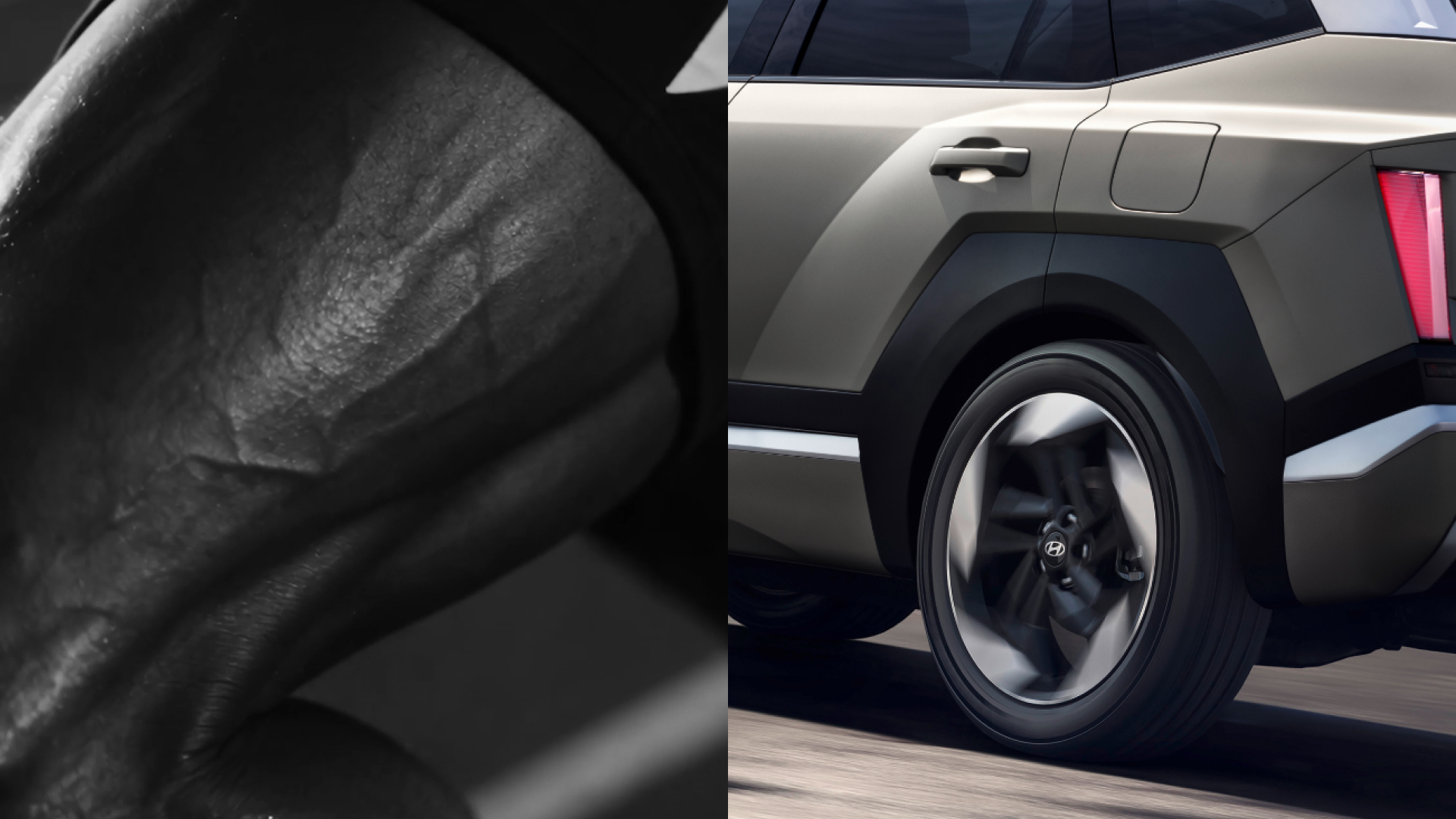
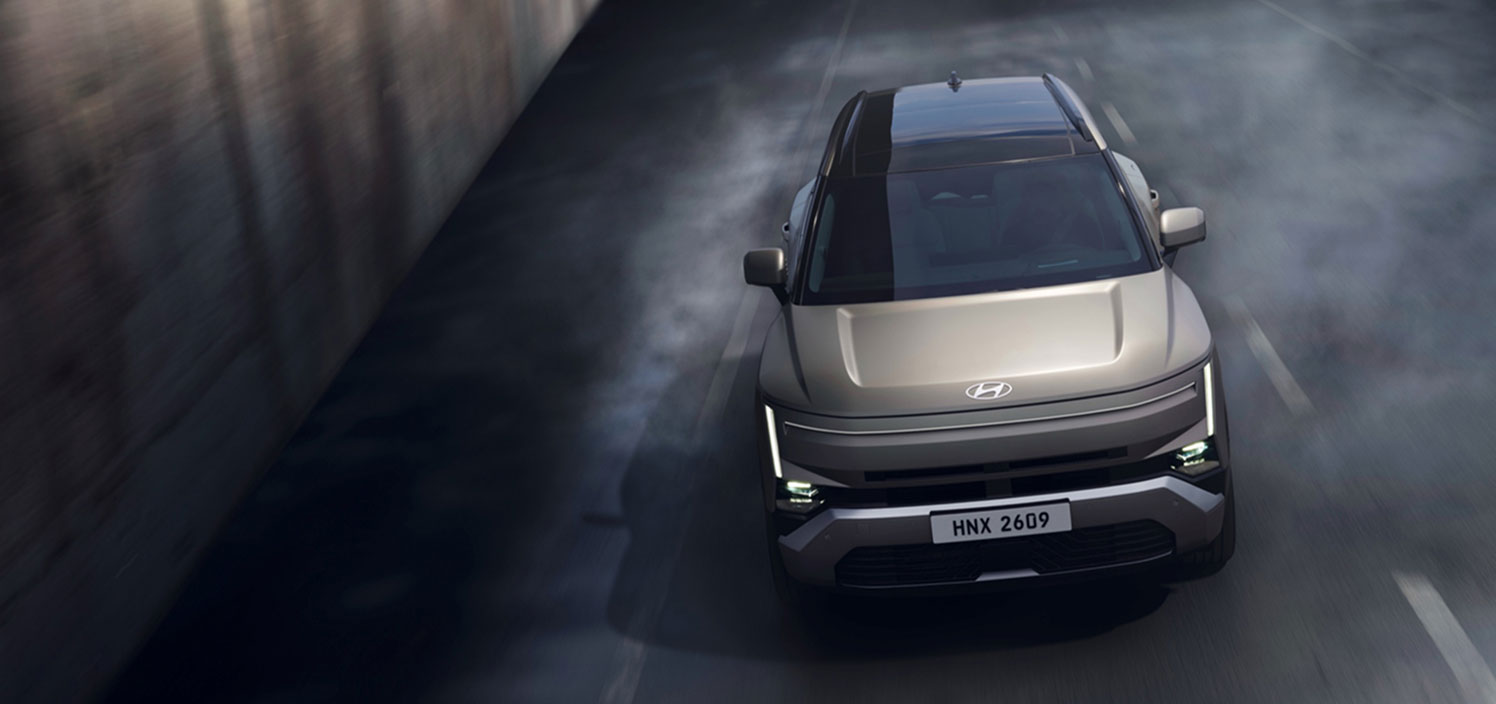
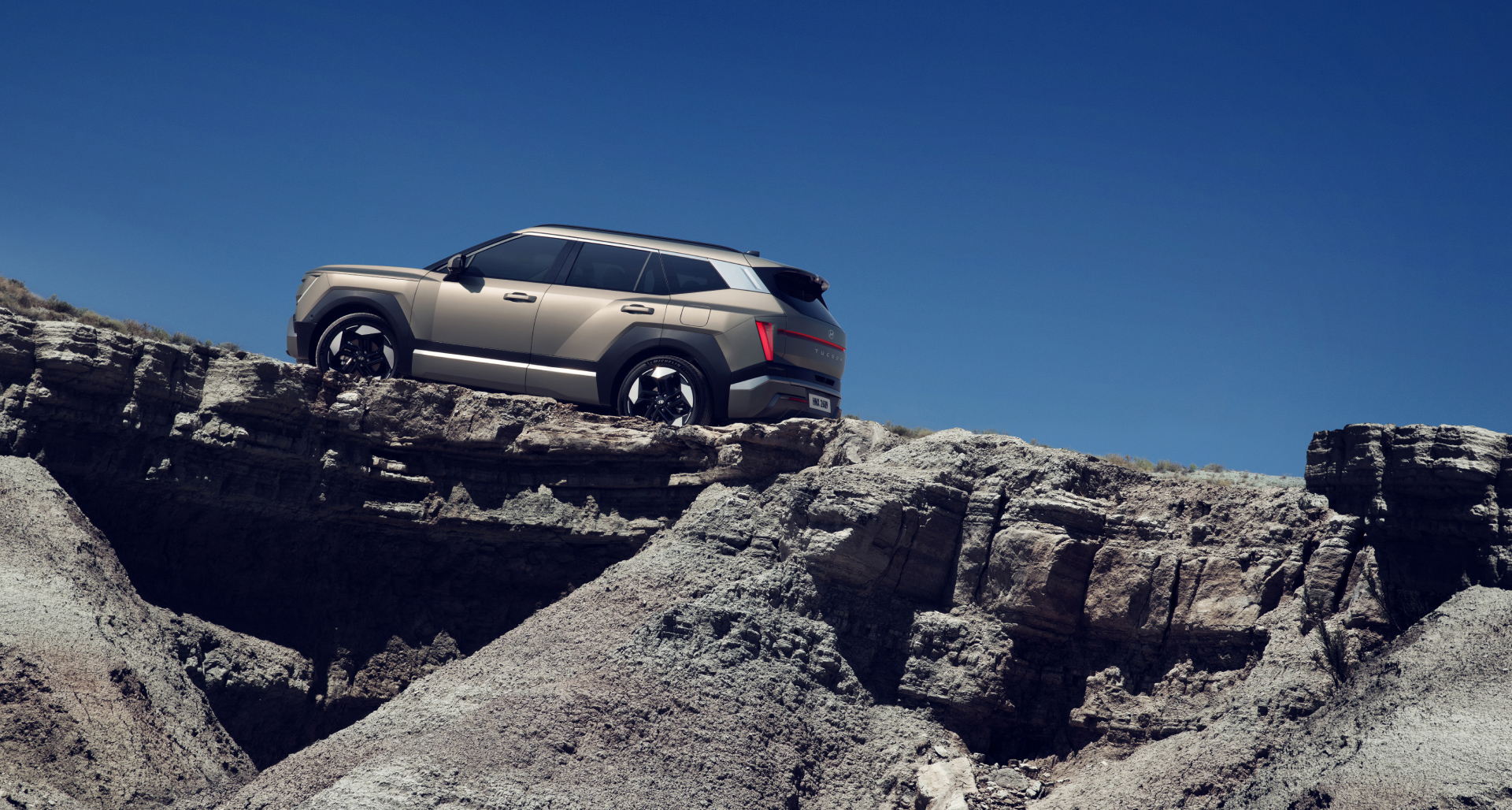
    The exterior is certainly cleaner than before. Hyundai has moved away from some of the complicated surface treatment used on the outgoing Tucson, giving the new car a more upright nose, stronger wheel arches and a body that looks broader without simply piling on more decorative pieces.

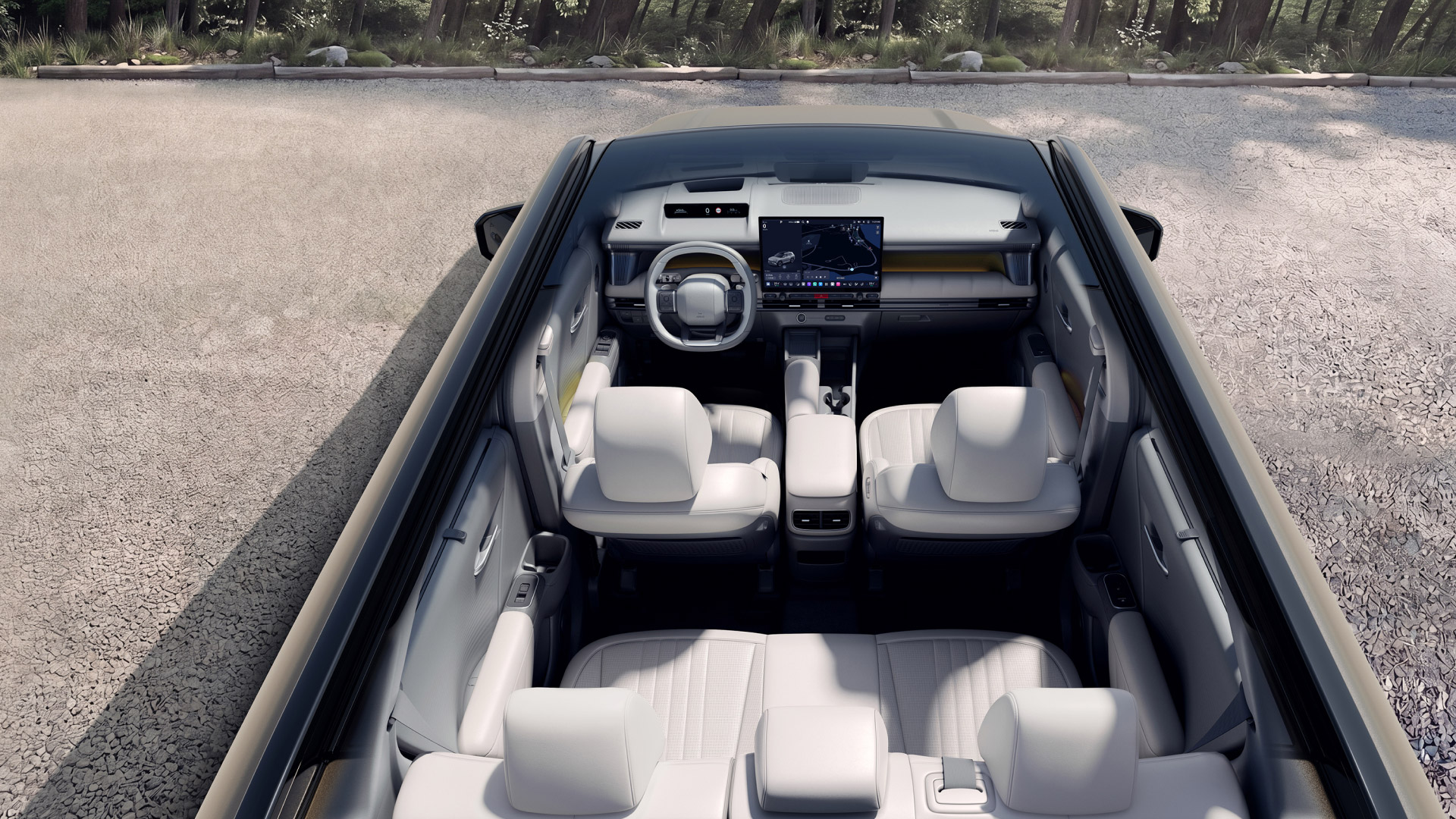
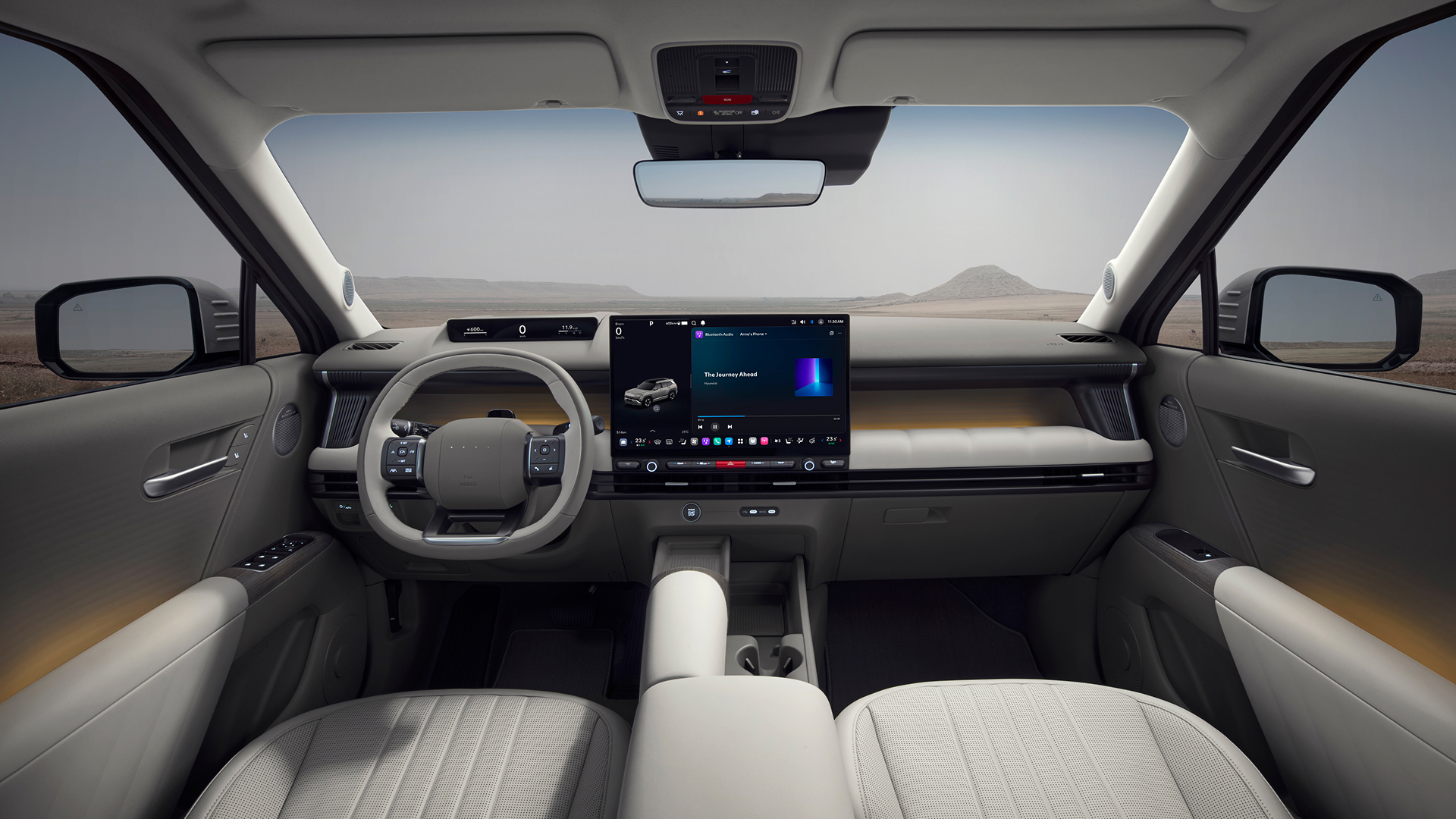
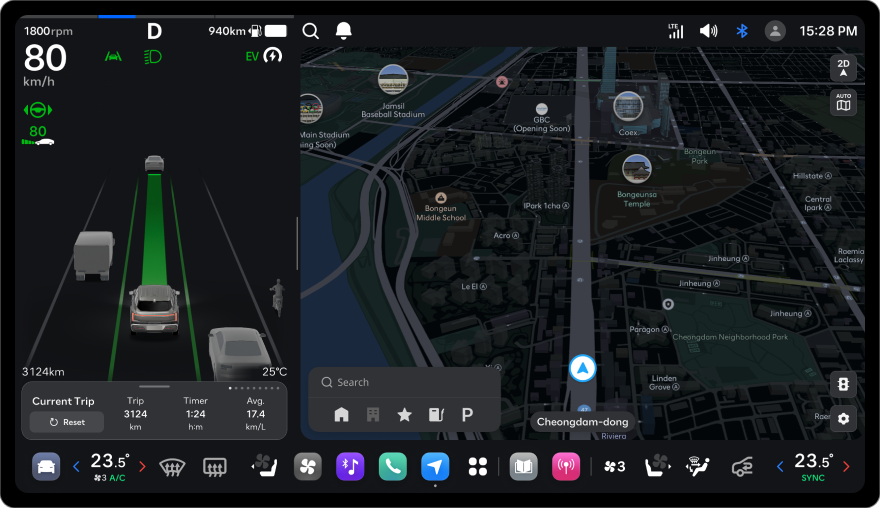
    Inside, the bigger change is digital.
    2027 Hyundai Tucson (8)
    2027 Hyundai Tucson

    The Tucson introduces Pleos Connect, Hyundai’s latest infotainment system, with Gleo AI integrated into the interface. Hyundai is gradually moving toward a much more software-driven cockpit across its range, and the Tucson is important because this technology is no longer being reserved for an expensive flagship or experimental EV.

    Most buyers will encounter it in an ordinary family SUV.

    The powertrain strategy is equally interesting. Hyundai isn’t treating battery-electric power as the only destination and is continuing to develop hybrids alongside its EV range. At its Aachen technology presentation this week, the wider Hyundai Motor Group specifically described its future strategy as a mixture of EVs, hybrids, extended-range EVs and hydrogen fuel-cell vehicles rather than betting everything on one solution.

    That makes sense for the Tucson.
    2027 Hyundai Tucson (14)
    2027 Hyundai Tucson

    It’s sold across too many markets, to too many different kinds of buyers, for one drivetrain to suit everybody. A family using the car for short urban trips has different requirements from somebody regularly covering hundreds of motorway kilometres, and charging infrastructure still varies enormously between countries.

    Hyundai also knows better than to mess too much with something that already works. The Tucson has become one of those SUVs you see everywhere without really noticing how successful it has become.

    The new model doesn’t appear interested in changing that.
    2027 Hyundai Tucson (16)
    2027 Hyundai Tucson

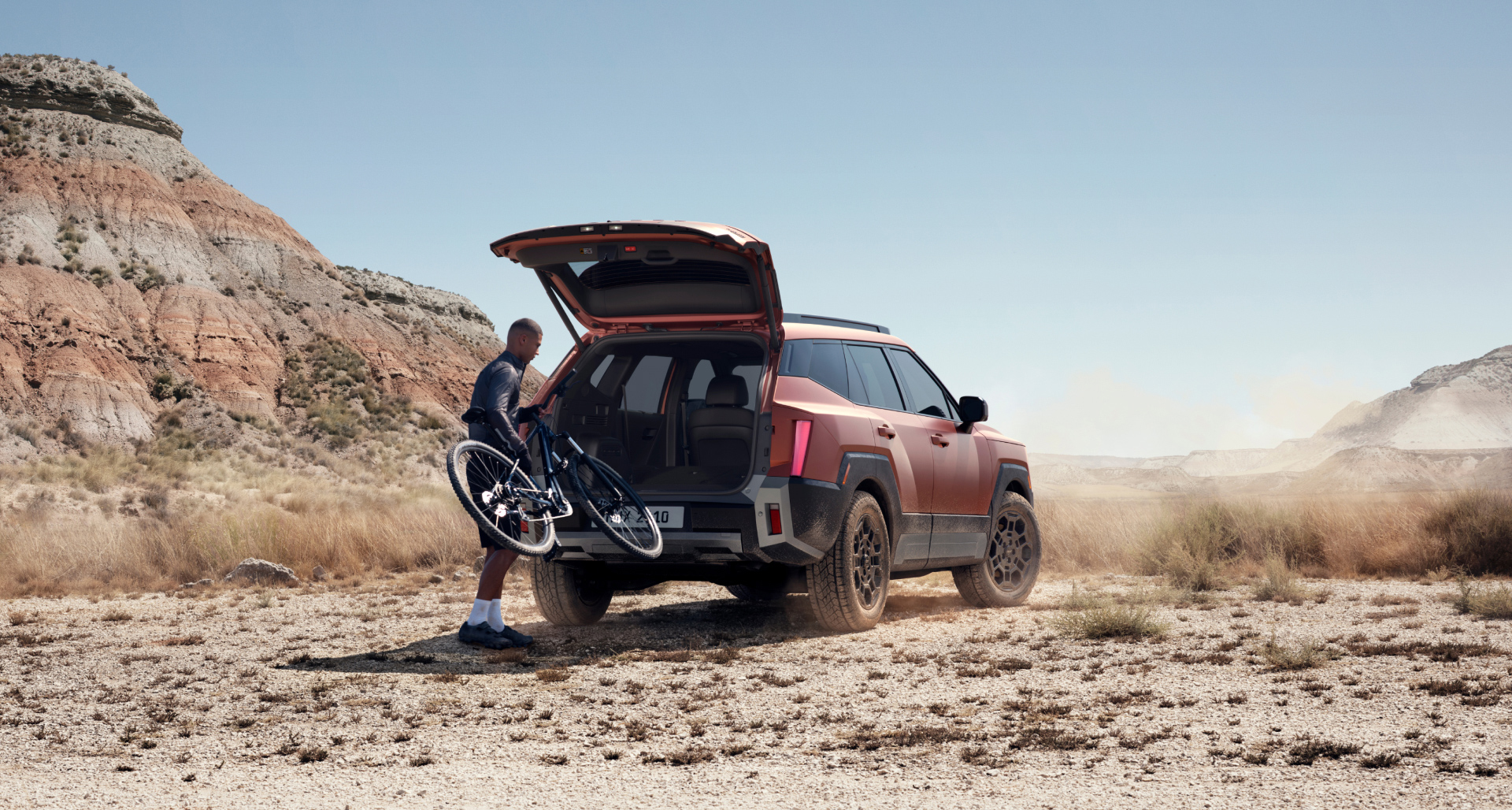
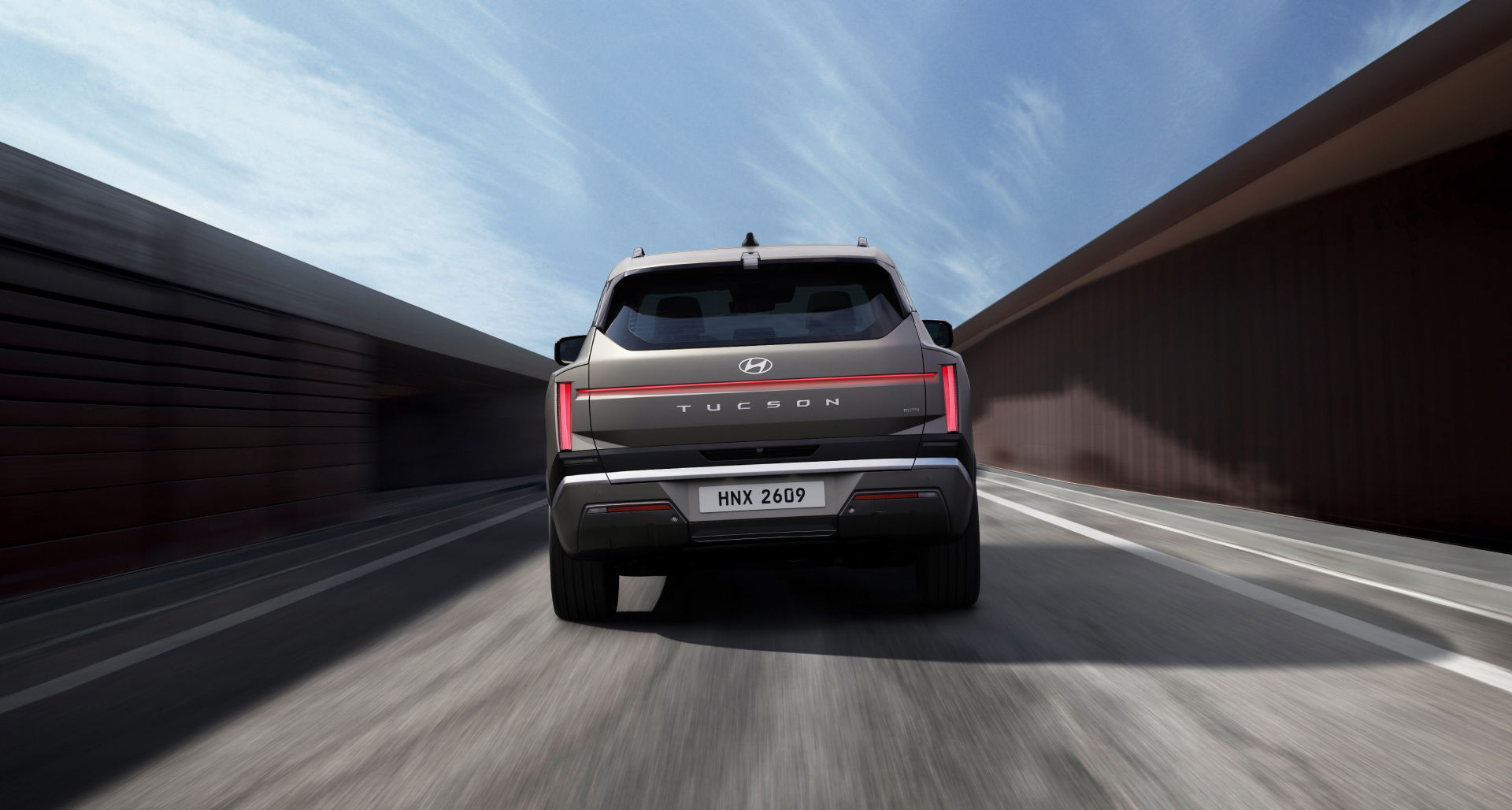
    There is more technology, the hybrid system continues to evolve and the dashboard has moved another step toward Hyundai’s next software generation, but the basic idea remains familiar: five seats, useful space and SUV proportions that actually look like SUV proportions.

    Sometimes a redesign doesn’t need a revolution. It just needs to avoid ruining the car people were already buying.
  • Kia PV7 Is an Electric Van with 800-Volt Charging – but the Flat Floor May Be Its Cleverest Feature

    Kia PV7 Is an Electric Van with 800-Volt Charging – but the Flat Floor May Be Its Cleverest Feature

    Electric vans tend to be discussed using the same vocabulary as electric cars.Range. Charging speed. Battery capacity.

    Businesses usually have another question first: how much stuff can it carry? Kia appears to understand the distinction.

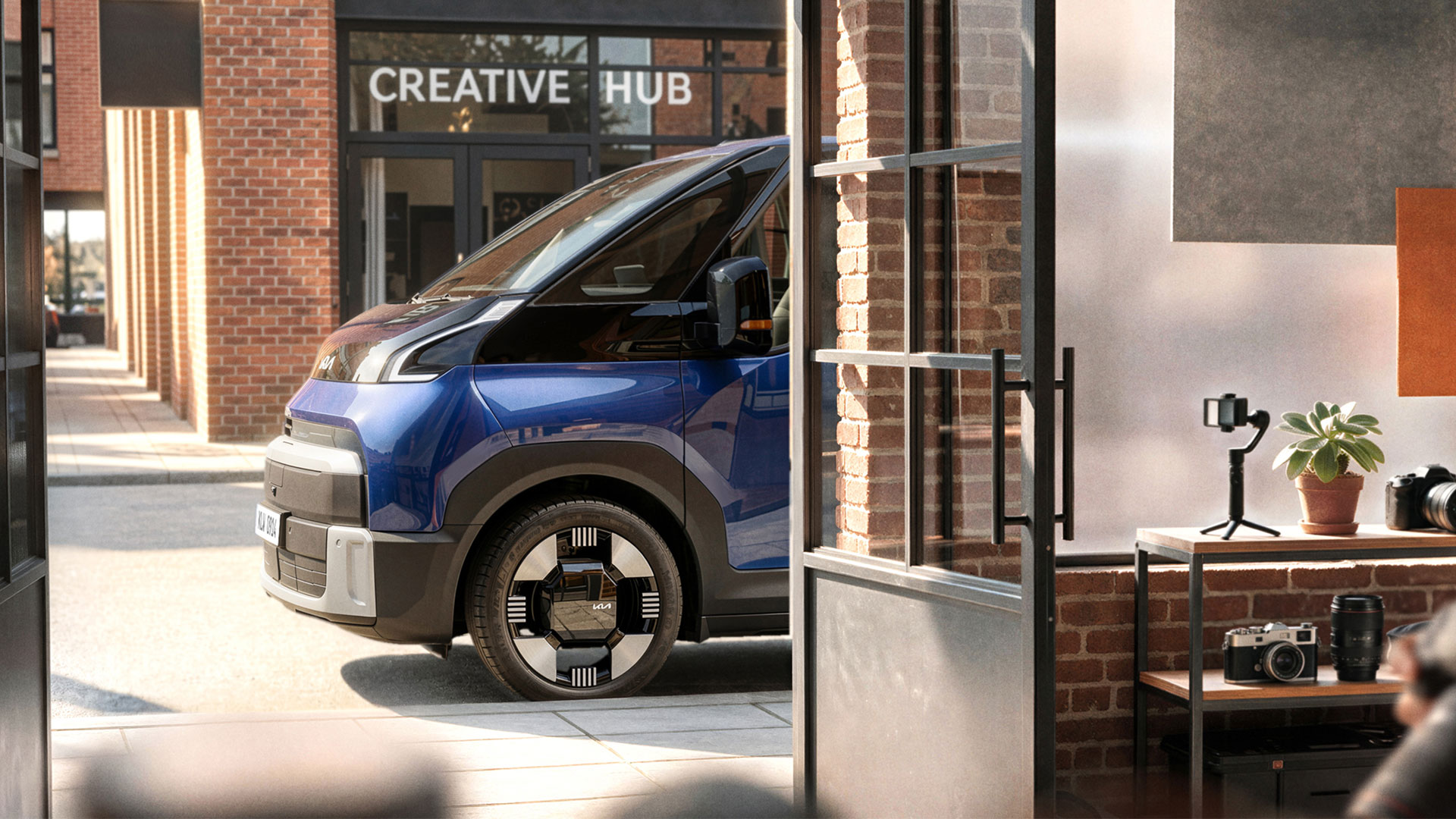
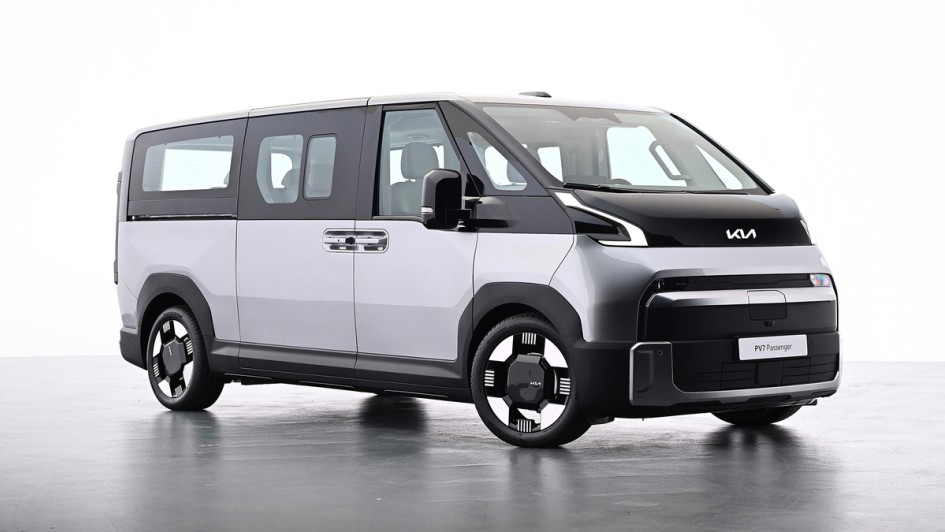
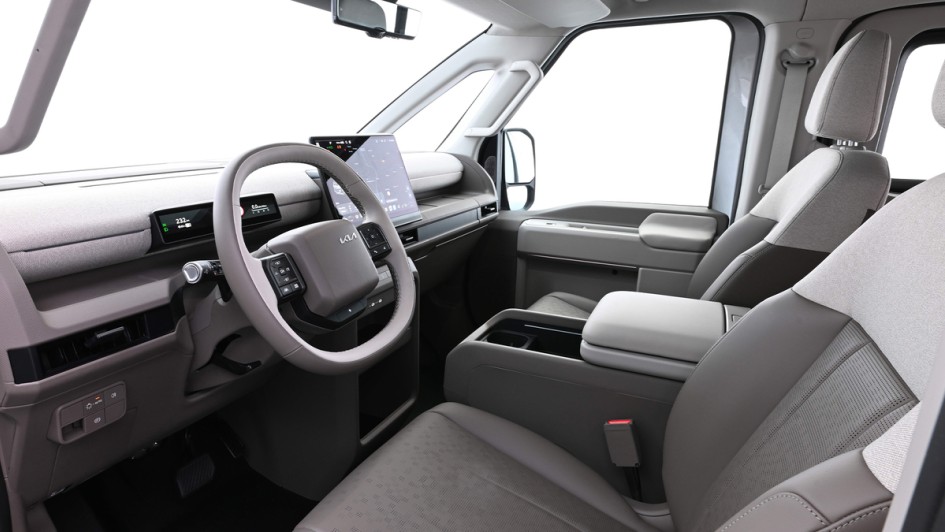
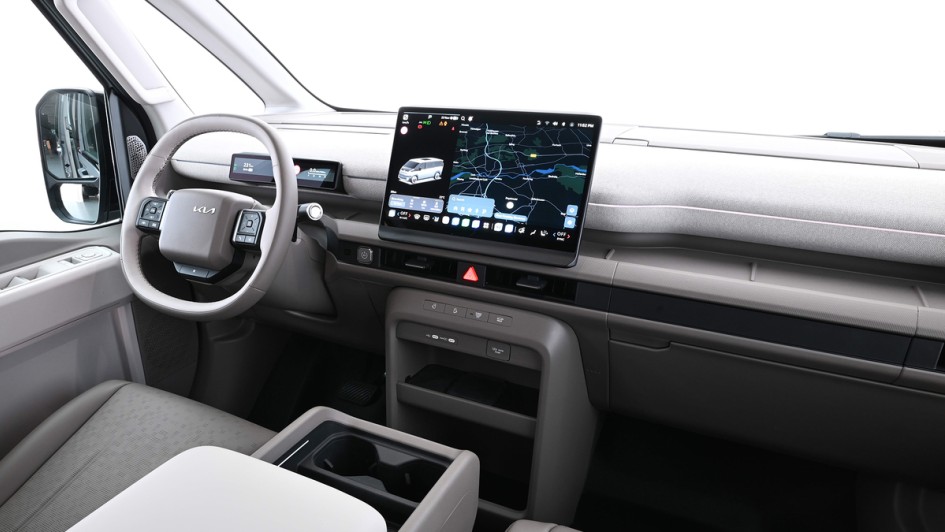
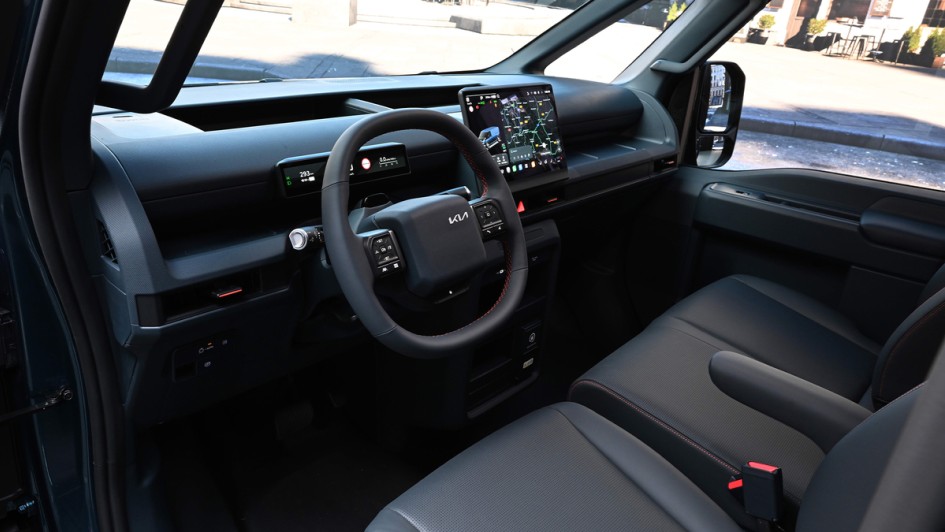
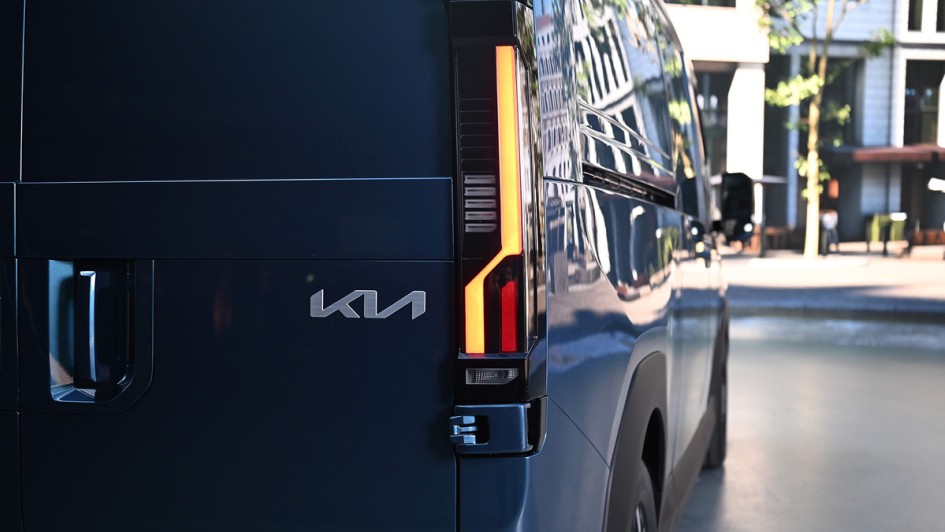
    The company has revealed the new PV7, the second production model in its Platform Beyond Vehicle strategy and a larger companion to the PV5. It will be offered in both Cargo and Passenger configurations, with European and Korean sales planned for the second half of 2027.

    Kia PV7 2026 (1)
    Kia PV7 2026

    Underneath is Kia’s dedicated E-GMP.S architecture, developed specifically for these modular vehicles rather than adapted from a conventional passenger car.

    That gives Kia considerably more freedom with the interior.

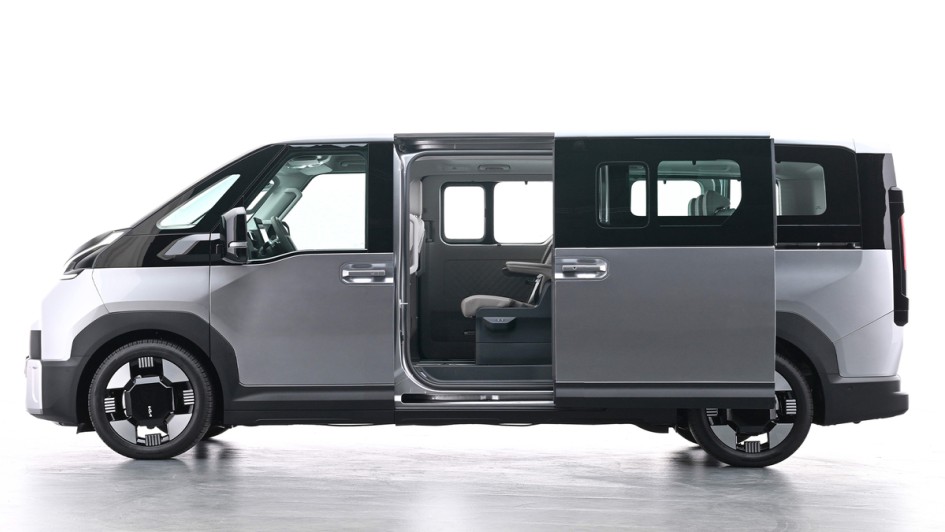
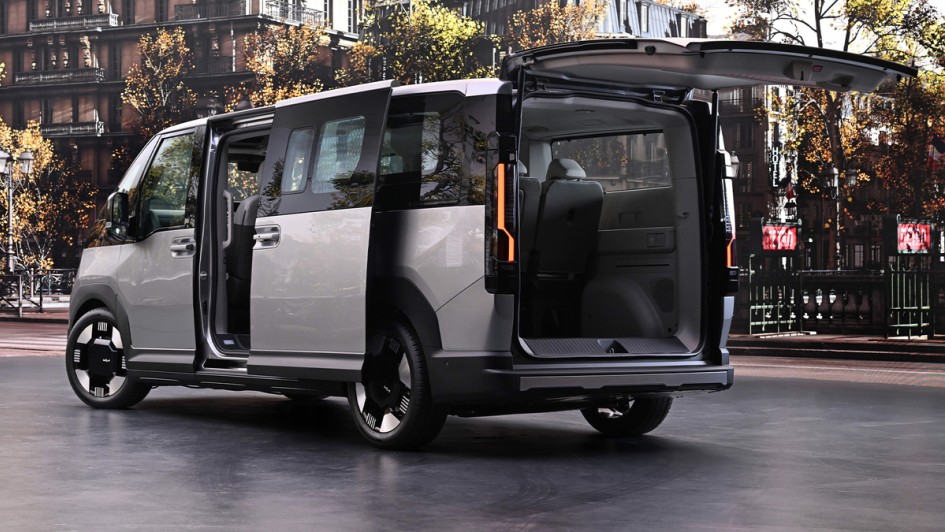
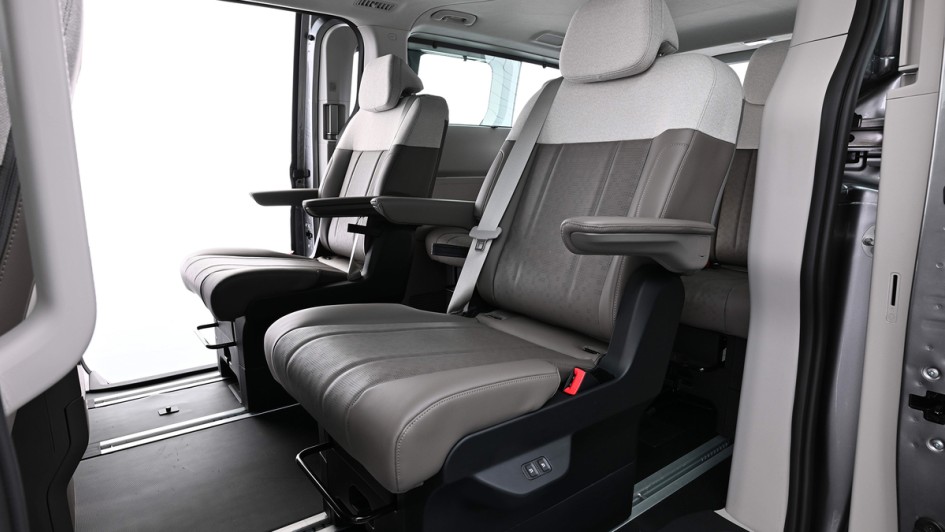
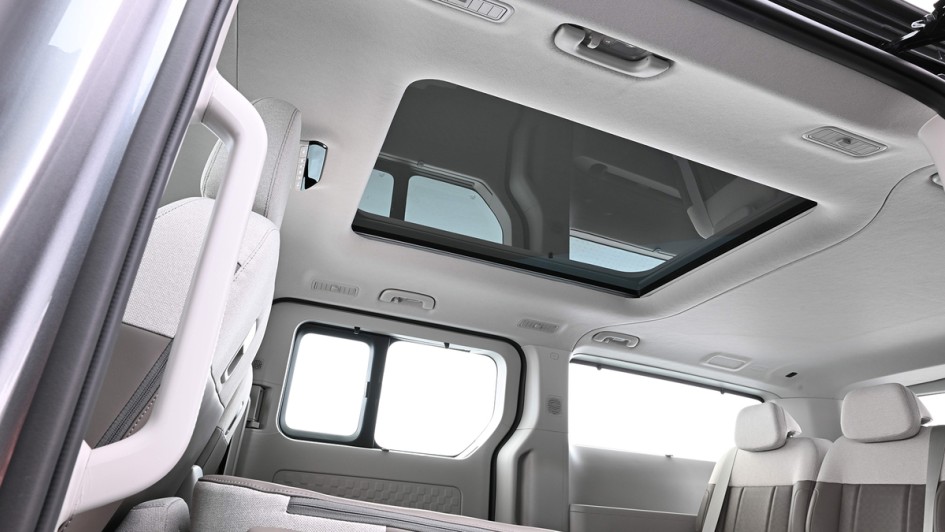
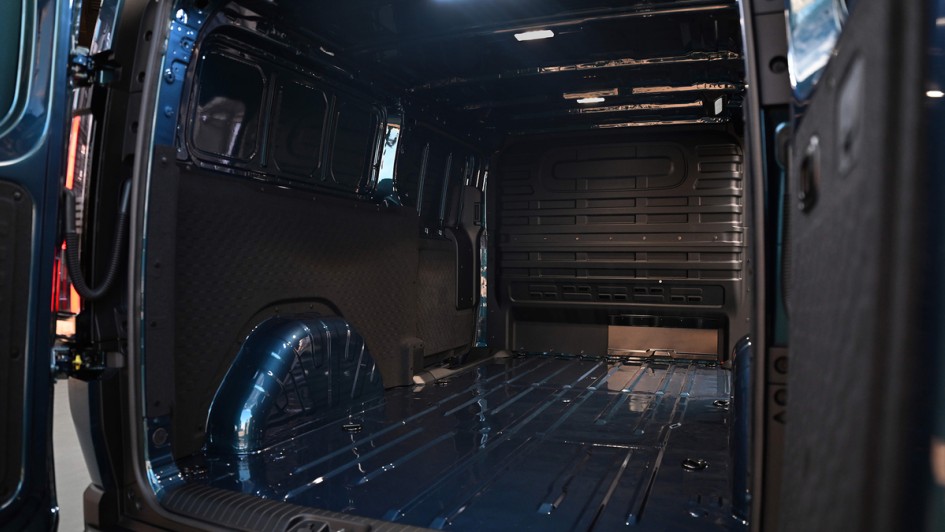
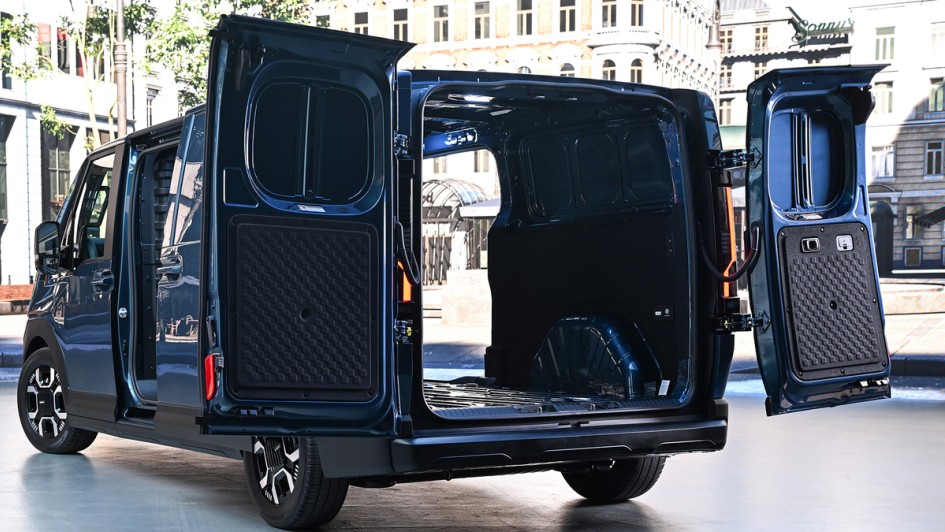
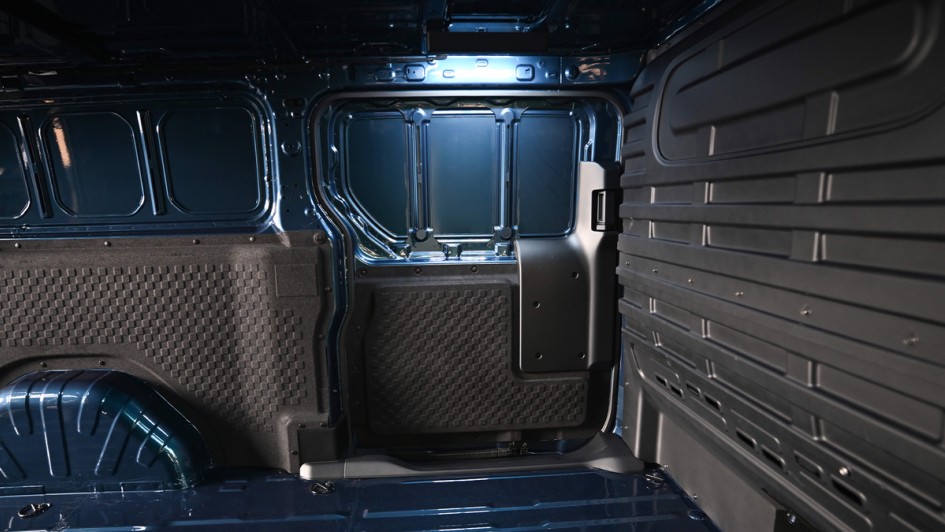
    The PV7 has a completely flat floor, while the Cargo model combines a low loading height with a large, squared-off load area. Passenger versions use configurable seating arrangements intended to accommodate everything from families to shuttle services.

    None of that sounds as exciting as a 600-hp electric sedan. For somebody loading boxes into a van eight hours a day, it’s considerably more relevant.

    The electrical architecture is still interesting, though.

    Kia PV7 2026 (2)
    Kia PV7 2026

    Kia has equipped the PV7 with 800-volt charging technology, the same broad approach that has allowed vehicles such as the EV6 and EV9 to establish a reputation for rapid DC charging. Final market specifications and homologated consumption figures will arrive closer to launch, so treating preliminary numbers as final would be premature.
    What Kia is emphasizing instead is flexibility.

    Cargo and Passenger versions are only the beginning. The company plans additional derivatives and conversion-ready models, allowing businesses to create specialized vehicles without effectively dismantling a standard van first.
    That idea sits at the center of Kia’s PBV strategy.

    Rather than producing one electric van and asking every business to adapt its operation around it, Kia wants the underlying vehicle to adapt to different jobs. Connected services and fleet-management tools are being developed alongside the hardware, making the PV7 part of a larger commercial ecosystem rather than simply another model in the showroom.

    The timing is interesting too.

    Traditional commercial-vehicle manufacturers are accelerating their electric programs just as passenger-car companies such as Kia move deeper into the van market. Ford, Mercedes-Benz, Volkswagen and Stellantis already understand commercial customers extremely well, so Kia isn’t entering an easy segment.

    Kia PV7 2026 (3)
    Kia PV7 2026

    It does have one advantage.

    Starting with a dedicated electric platform means the PV7 doesn’t have to preserve packaging decisions originally made around an engine, gearbox, fuel tank and exhaust system.

    That brings us back to the flat floor.

    Eight-hundred-volt charging looks excellent in a brochure, and it could make the PV7 considerably easier to operate during a busy working day.

    But commercial vehicles ultimately succeed by making boring jobs easier.

    More cargo space, easier access and fewer awkward shapes inside the load area may not sound revolutionary.

    Try telling that to the person who has to climb into the back 30 times before lunch.

  • Lexus Drops LF-ZC Sedan but Greenlights New EV Successor Built on the Same Technology

    Lexus Drops LF-ZC Sedan but Greenlights New EV Successor Built on the Same Technology

    Lexus has ended development of the LF-ZC production sedan, yet the engineering work behind the project will continue. The company approved a replacement vehicle on the same day the original program was canceled, keeping much of the technology developed during the past several years alive for a different product.

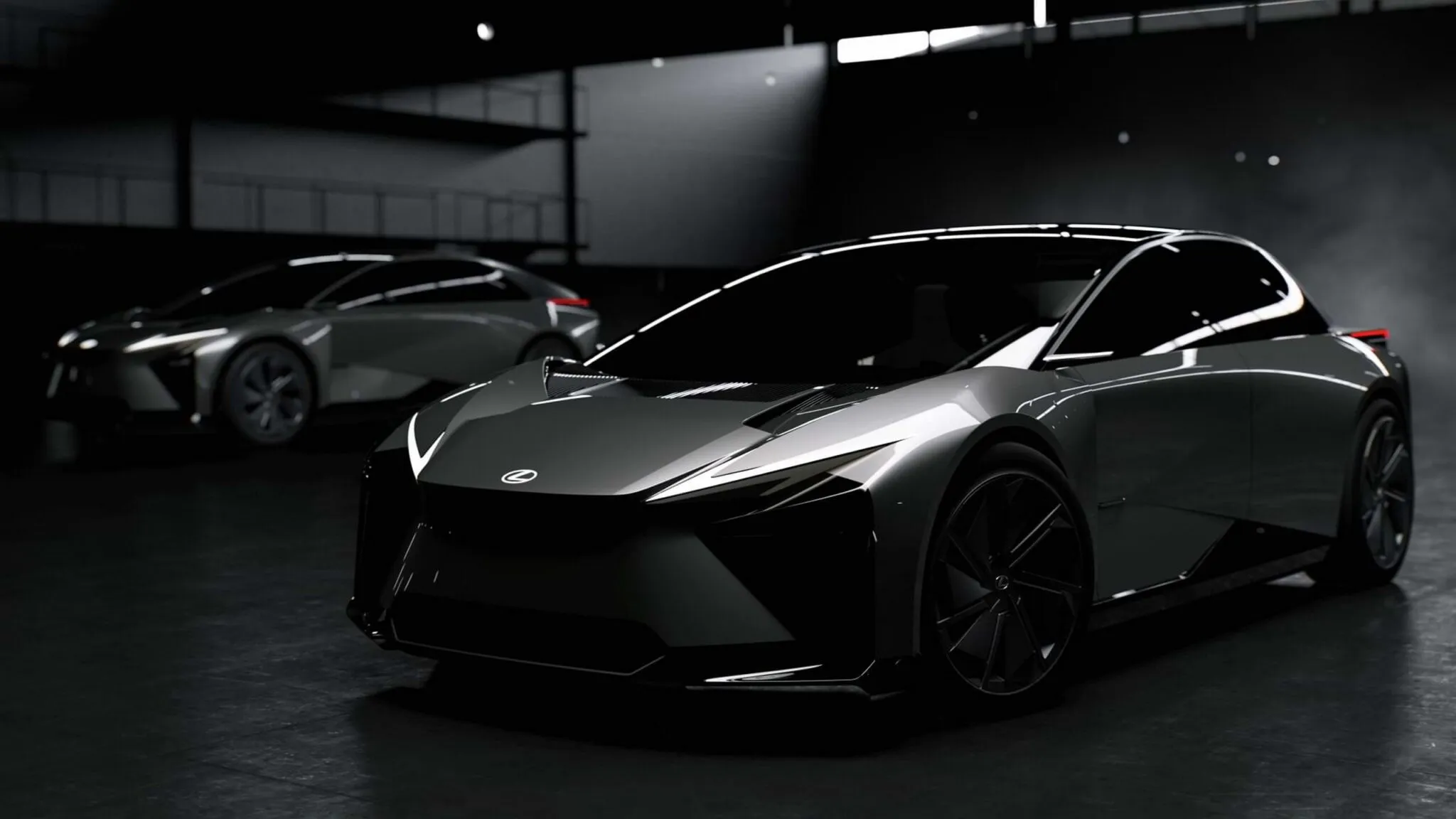
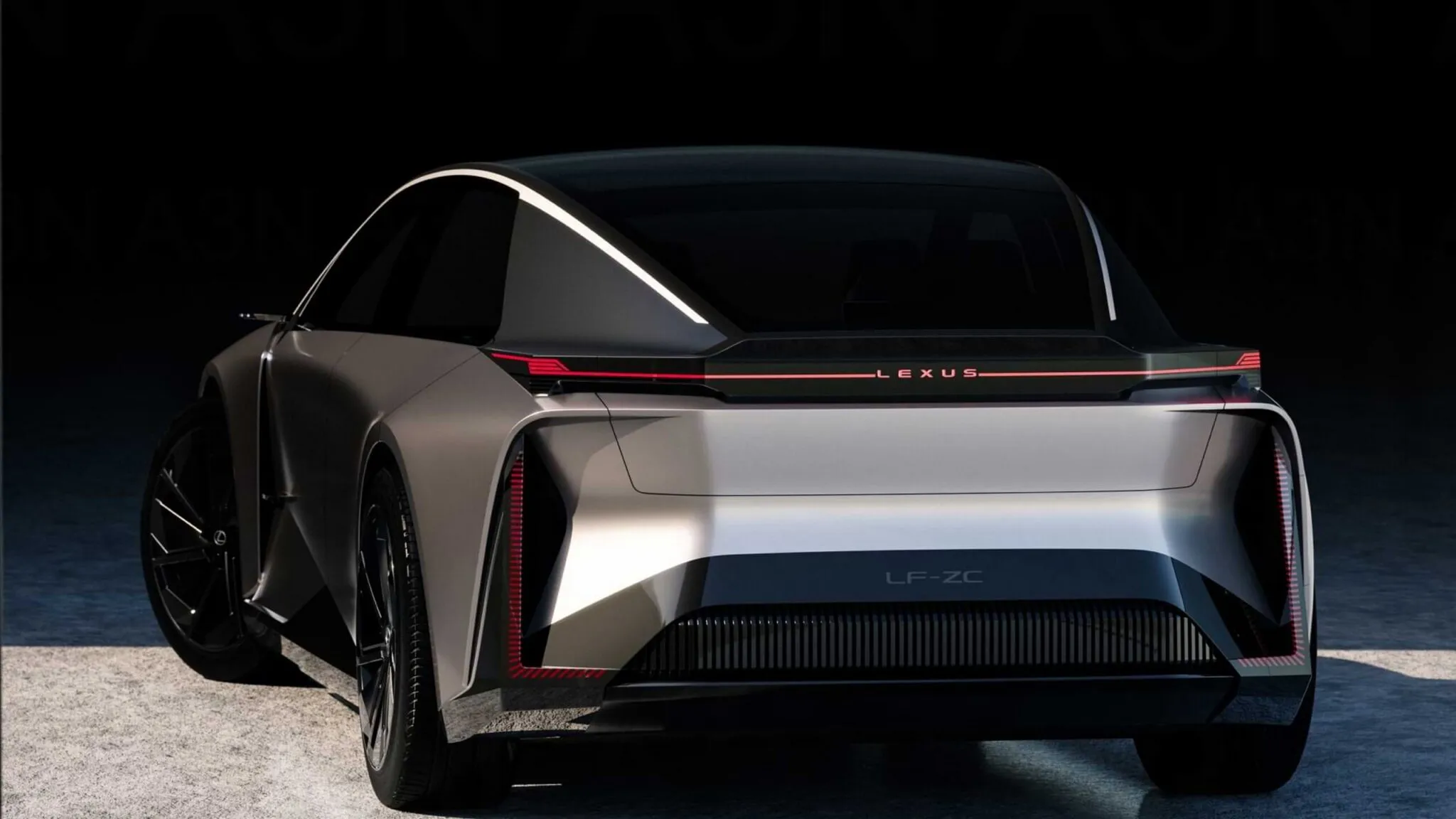
    2023 Lexus LF ZC Concept (3)
    2023 Lexus LF ZC Concept

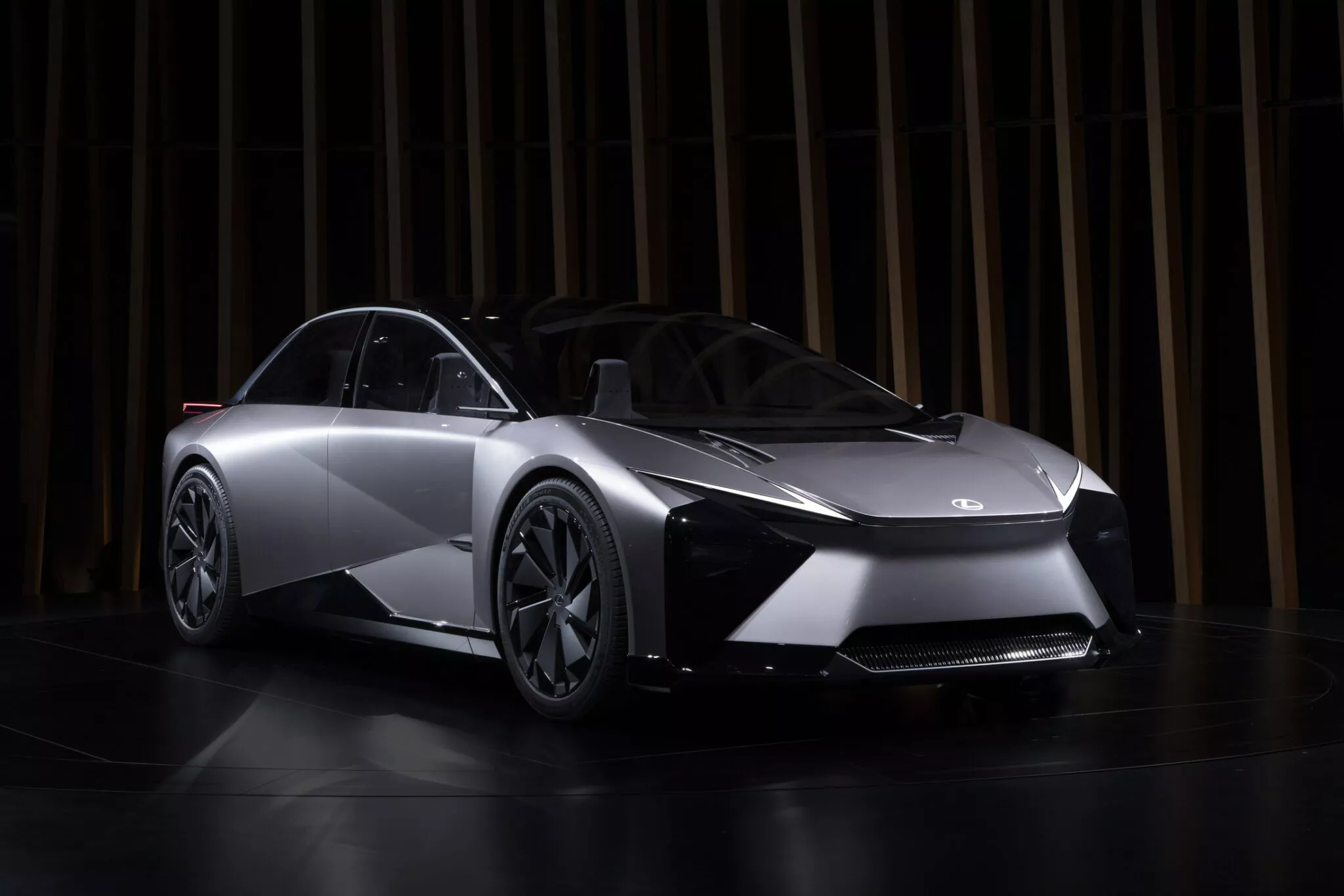
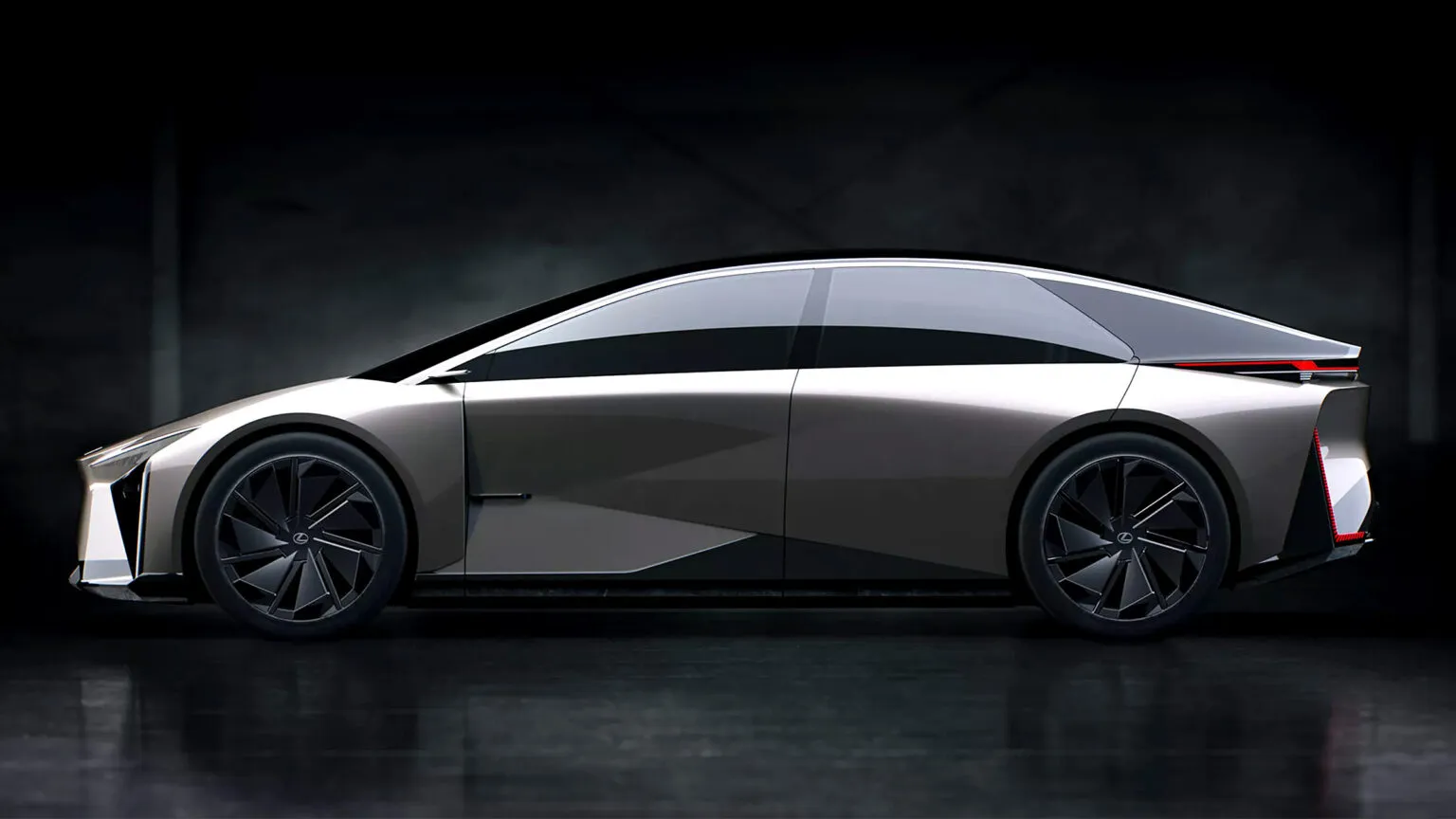
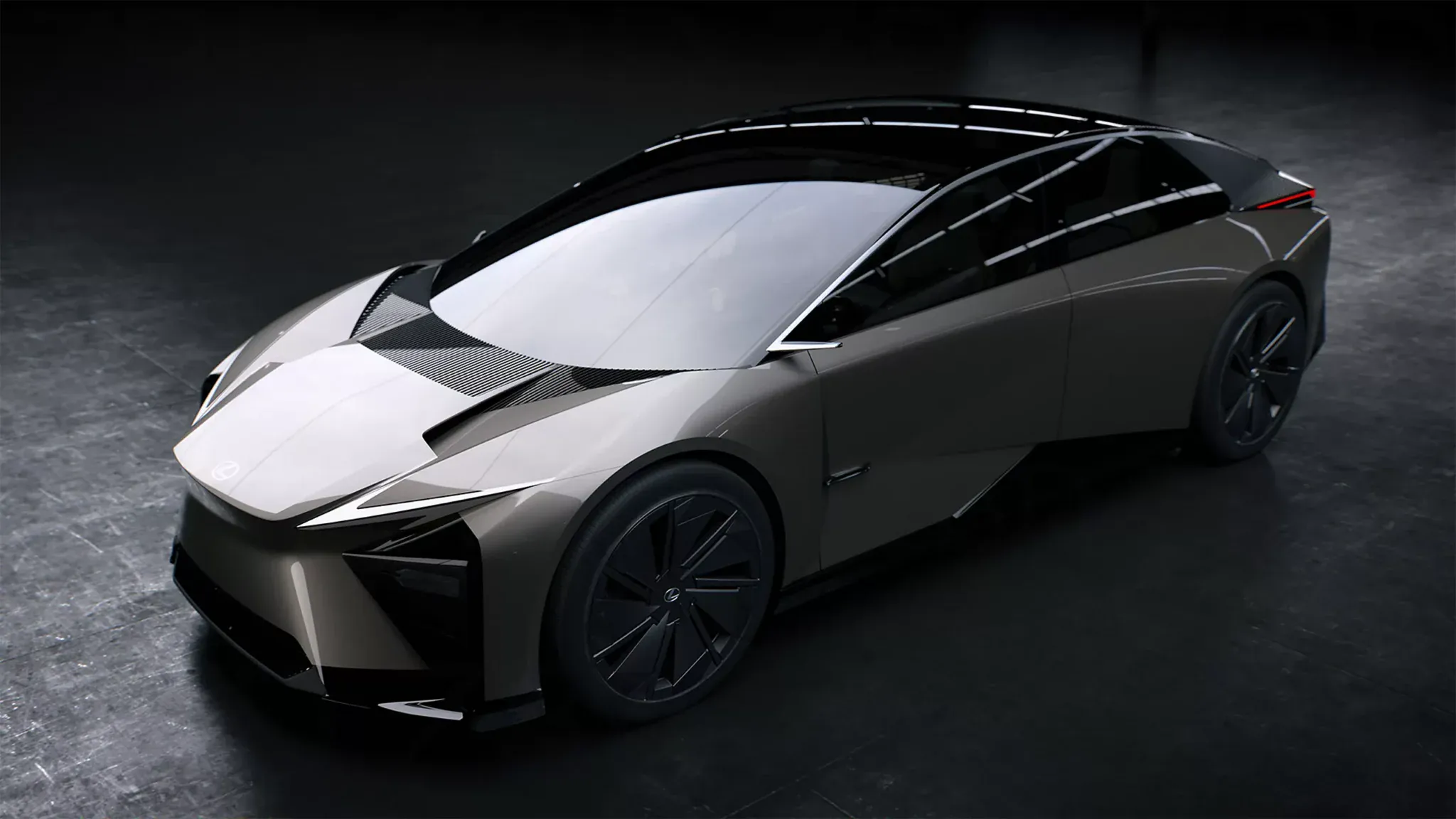
    Lexus launched the LF-ZC as a concept in 2023, with the Japanese-based carmaker highlighting the electric model as the beginning of a new generation car created around an all-new battery-electric platform.

    Back then, Lexus announced that the production model would come out this year, with the i3 from BMW as its main contestant. However, those plans shifted toward the middle of next year, before the project was killed last month. As a result, the LF-ZC never made it outside its concept stage.

    2023 Lexus LF ZC Concept (5)
    2023 Lexus LF ZC Concept

    Even so, several major technologies created for the program will reach production. Lexus confirmed the gigacast modular platform remains part of its future plans. The electrical and electronic architecture designed for advanced driver-assistance systems will also survive, together with the concept’s prismatic battery cells. Rather than abandoning years of engineering work, Lexus chose to transfer those developments into another vehicle.

    Toyota Vice President and Chief Technology Officer Hiroki Nakajima explained the decision during an interview with Nikkei CrossTech. “We did indeed discontinue development,” he said. “It was at a point where we needed to make significant investments, such as arranging molds and mass production equipment for the LF-ZC. However, many new technologies cultivated during the development of the LF-ZC, such as Gigacast, a new electrical and electronic platform for advanced driver-assistance systems (ADAS), and miniaturization and weight reduction, have already been completed. We will develop a successor vehicle that utilizes these new technologies.”

    2023 Lexus LF ZC Concept (6)
    2023 Lexus LF ZC Concept

    Nakajima also revealed the timing behind the replacement program. “Lexus approved a successor to the LF-ZC on the same day it canceled development of that model,” meaning work on the new vehicle began before the original project had fully faded away. The replacement will reuse technology developed for the LF-ZC instead of starting from a clean sheet.

    2023 Lexus LF ZC Concept (4)
    2023 Lexus LF ZC Concept

    Lexus has not revealed what body style the successor will adopt. Current expectations point away from another sedan and toward either an electric crossover or a sport utility vehicle. Such a move would place the newcomer in a segment where vehicles like the new BMW iX3 and Mercedes-Benz GLA EQ already compete. While the final shape remains unknown, the underlying technology developed for the LF-ZC appears set to reach production after all, only beneath a different body.