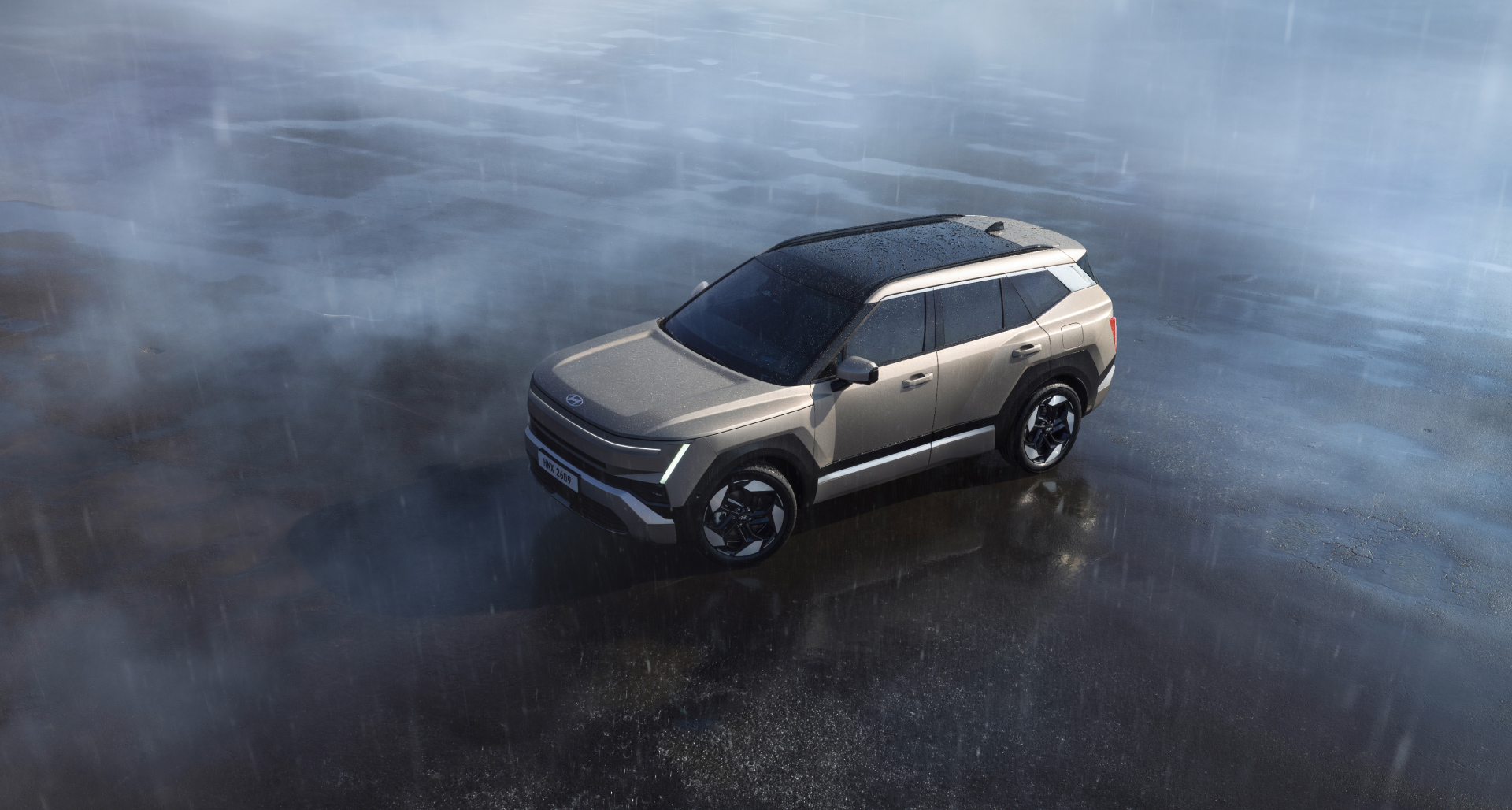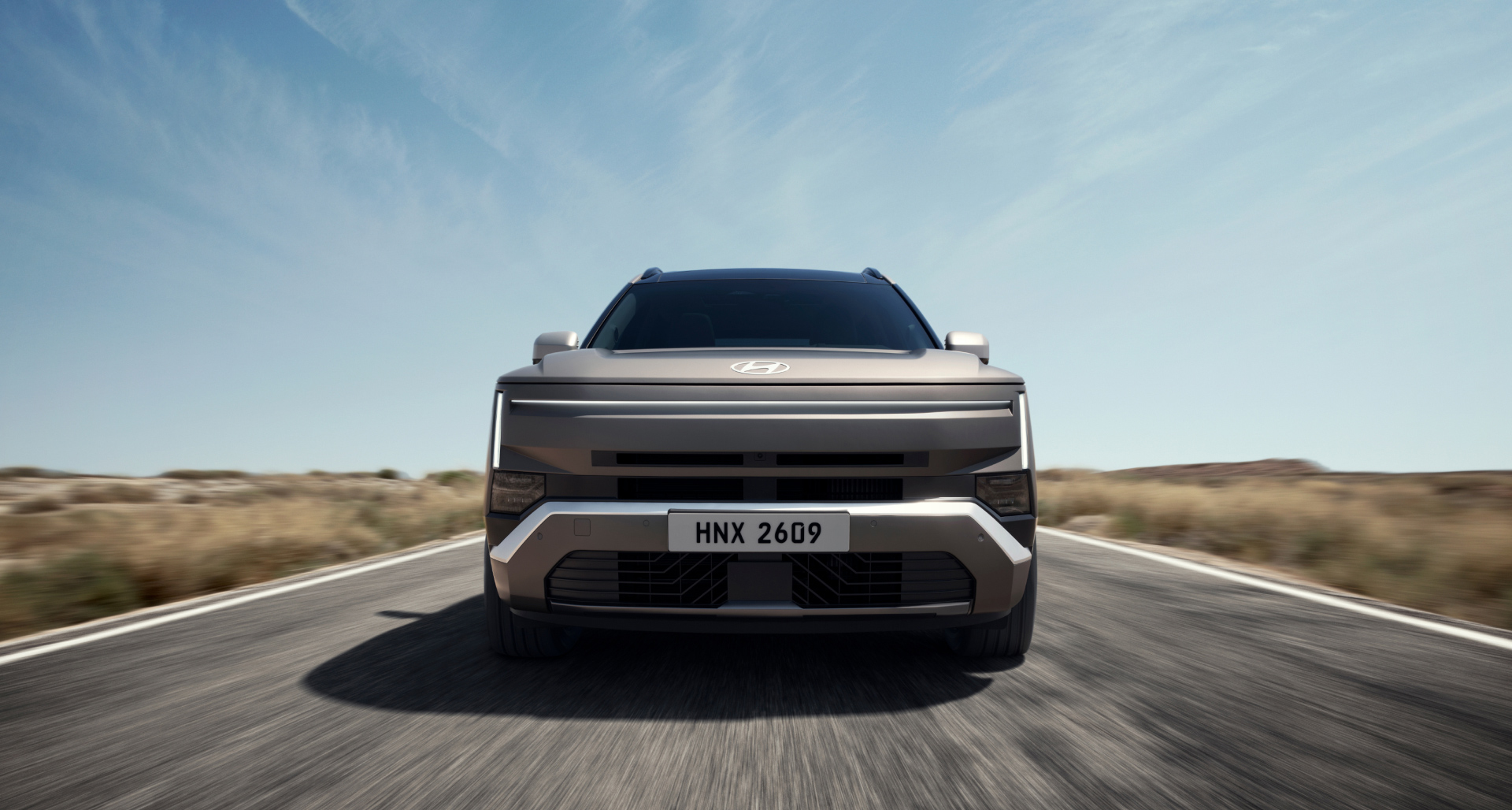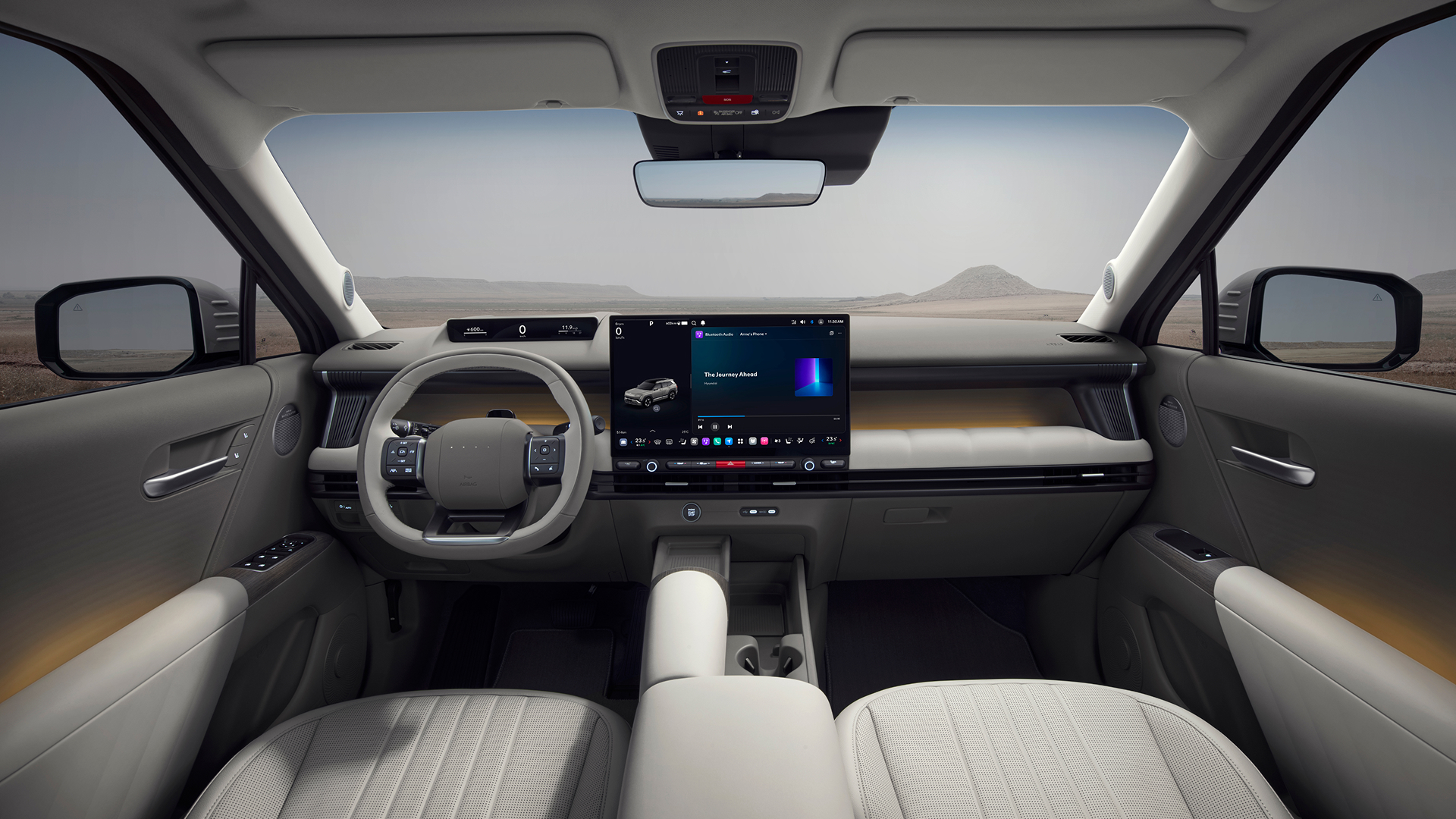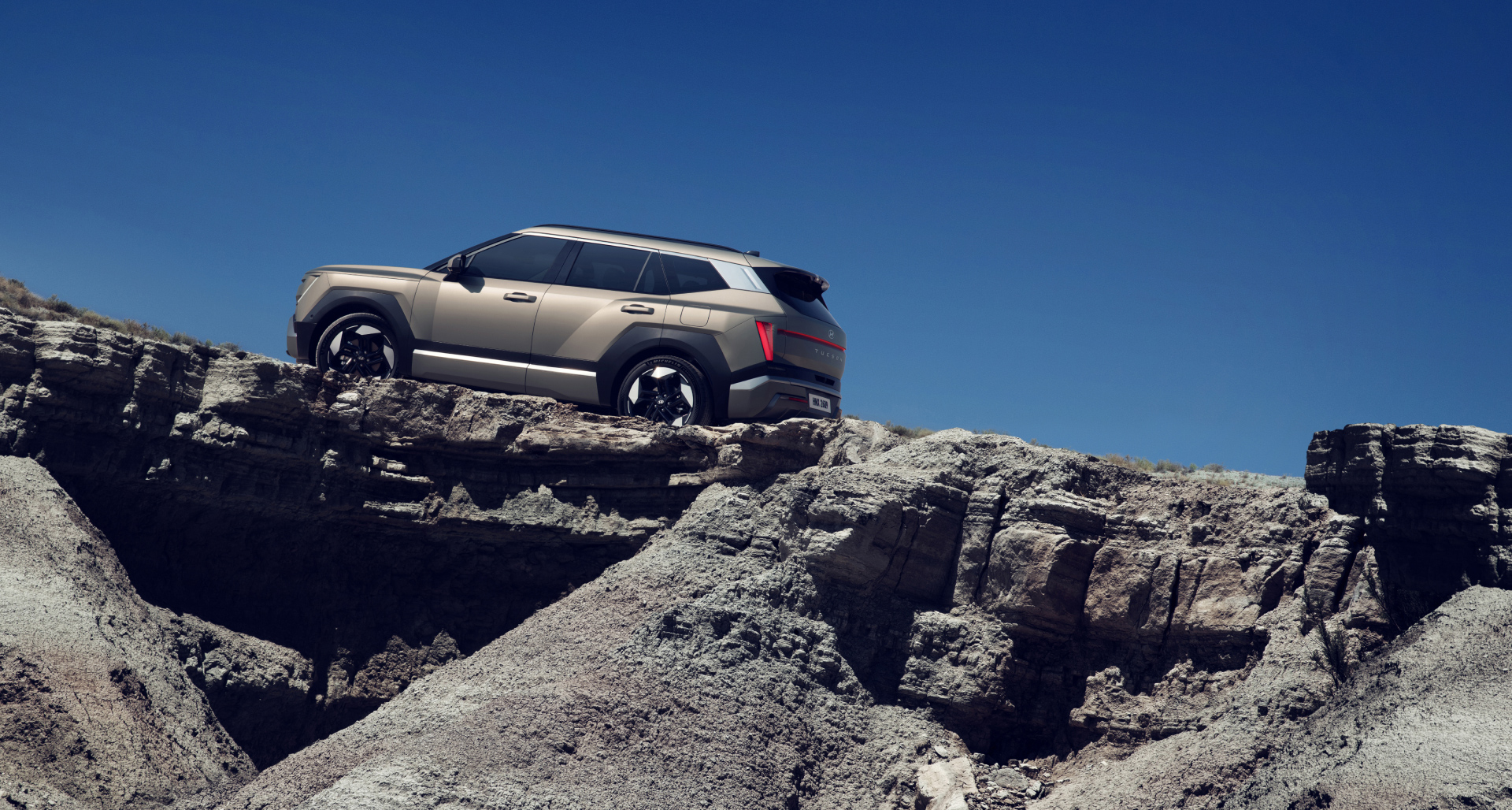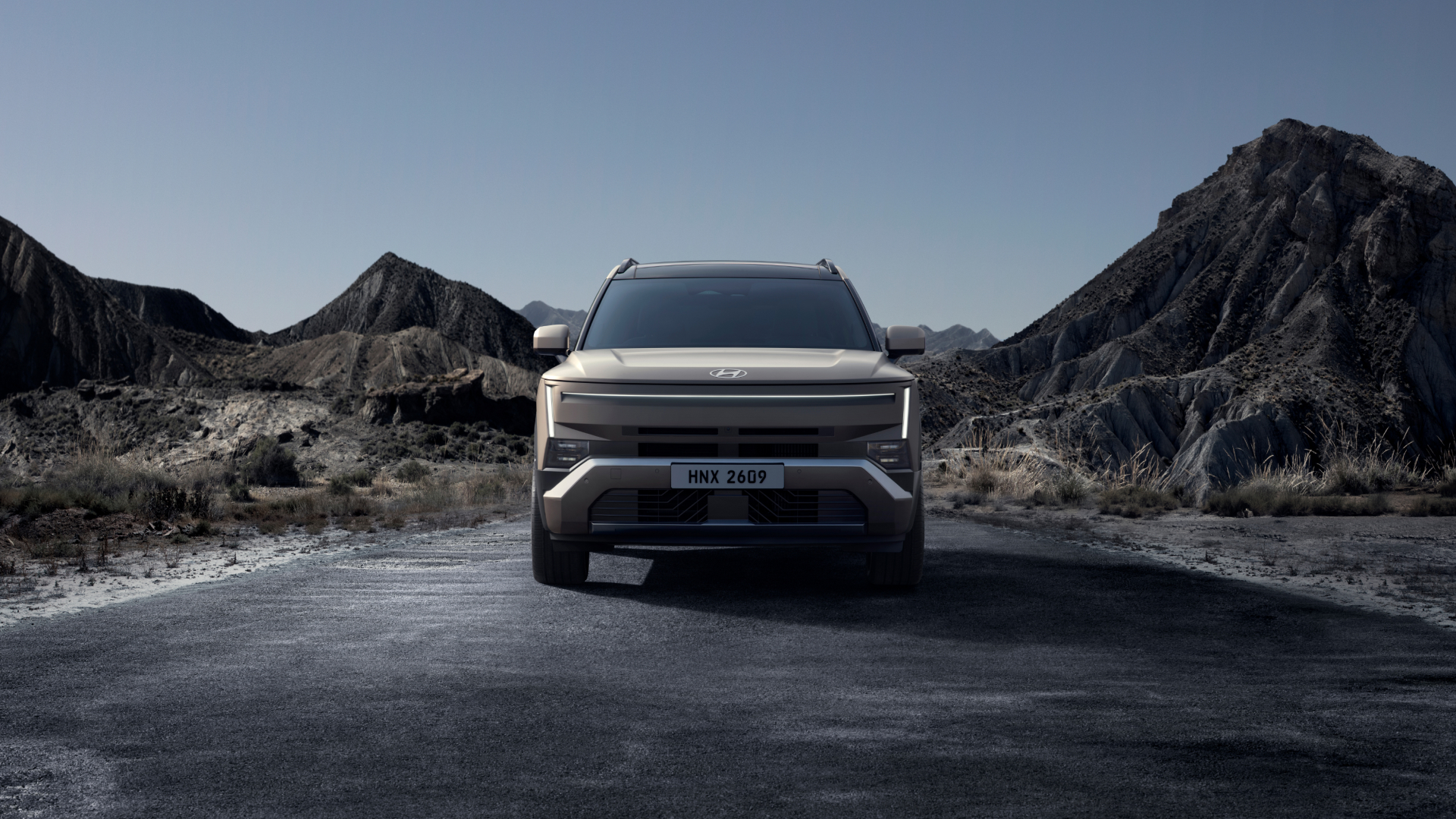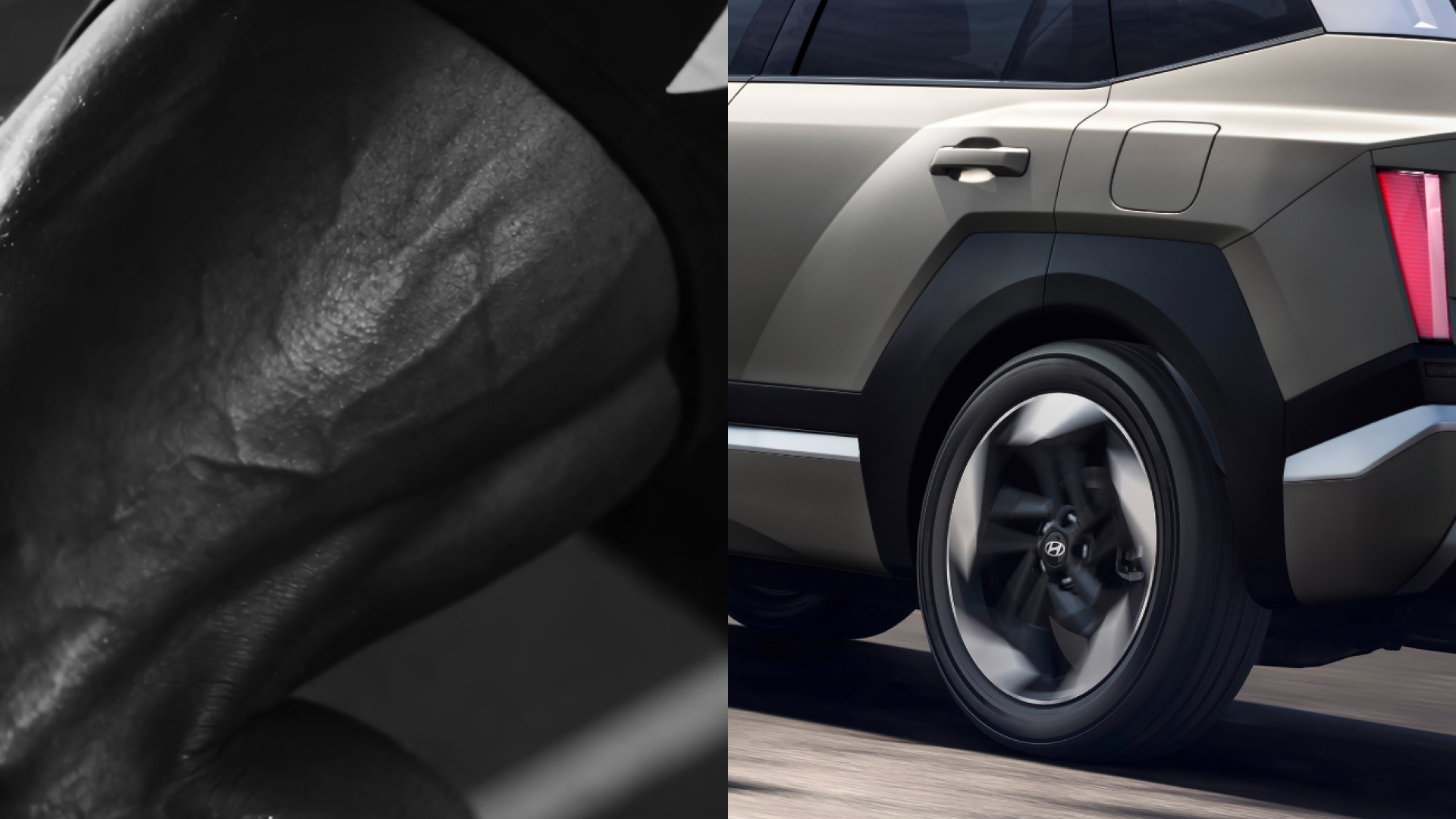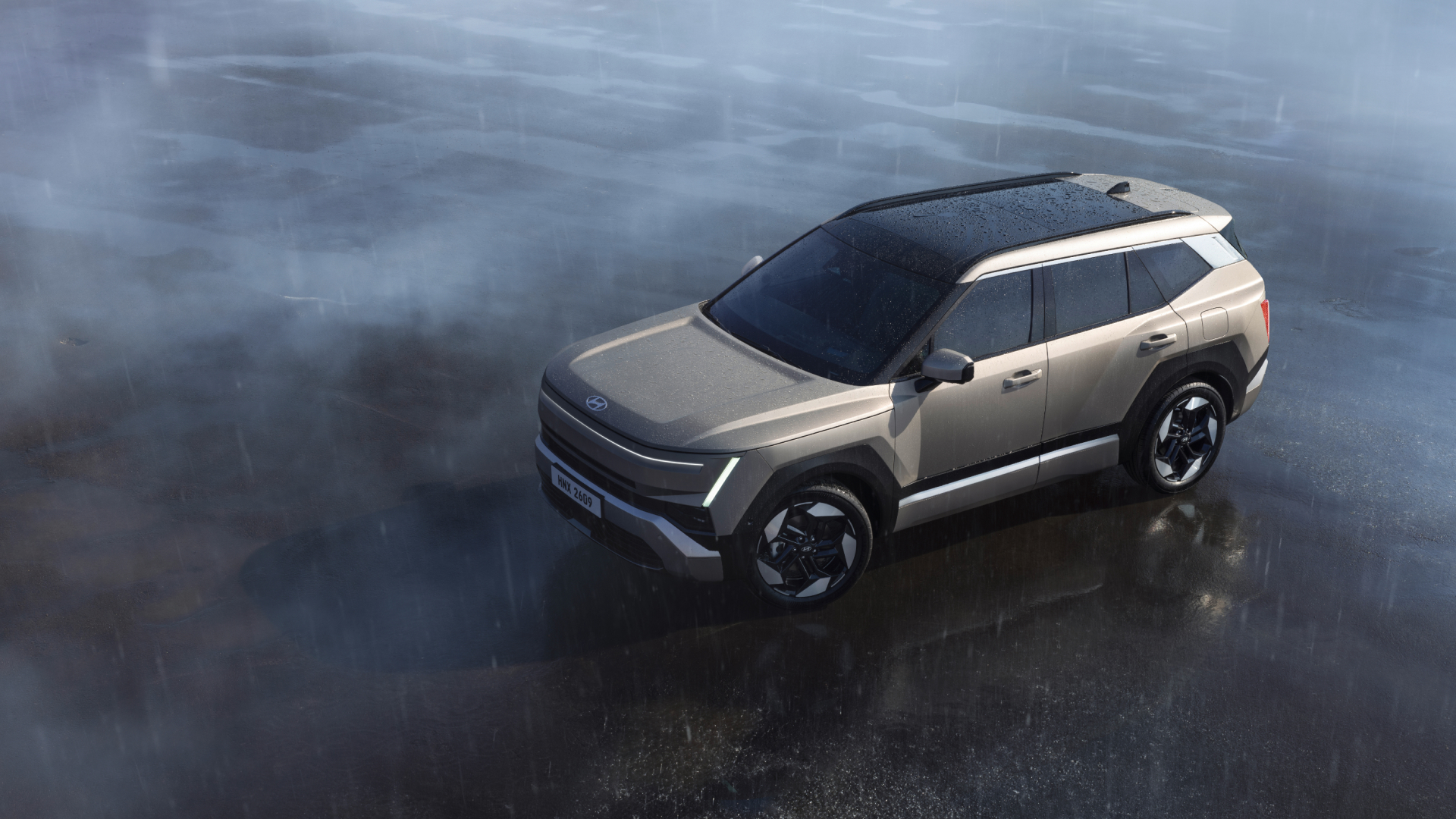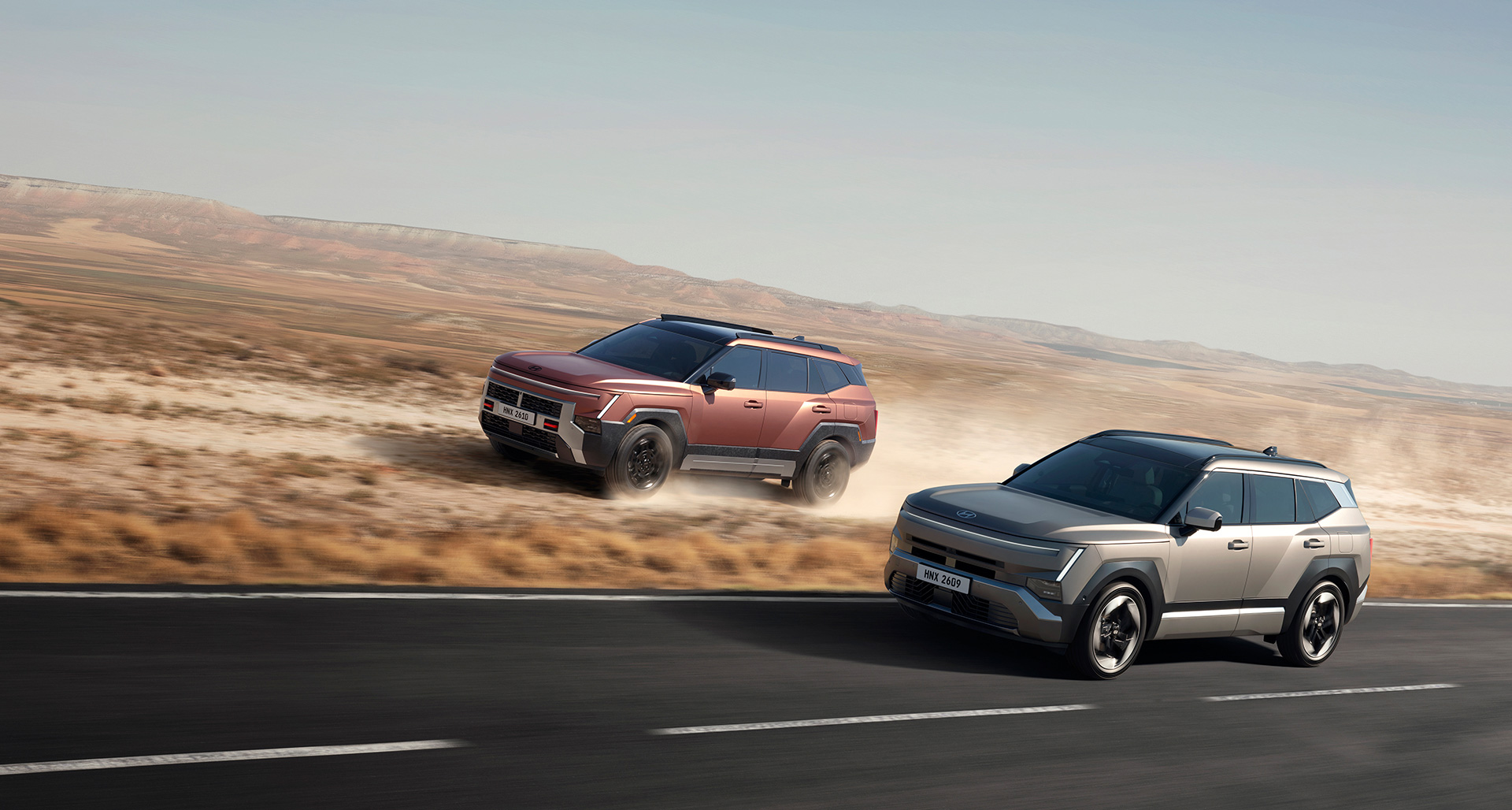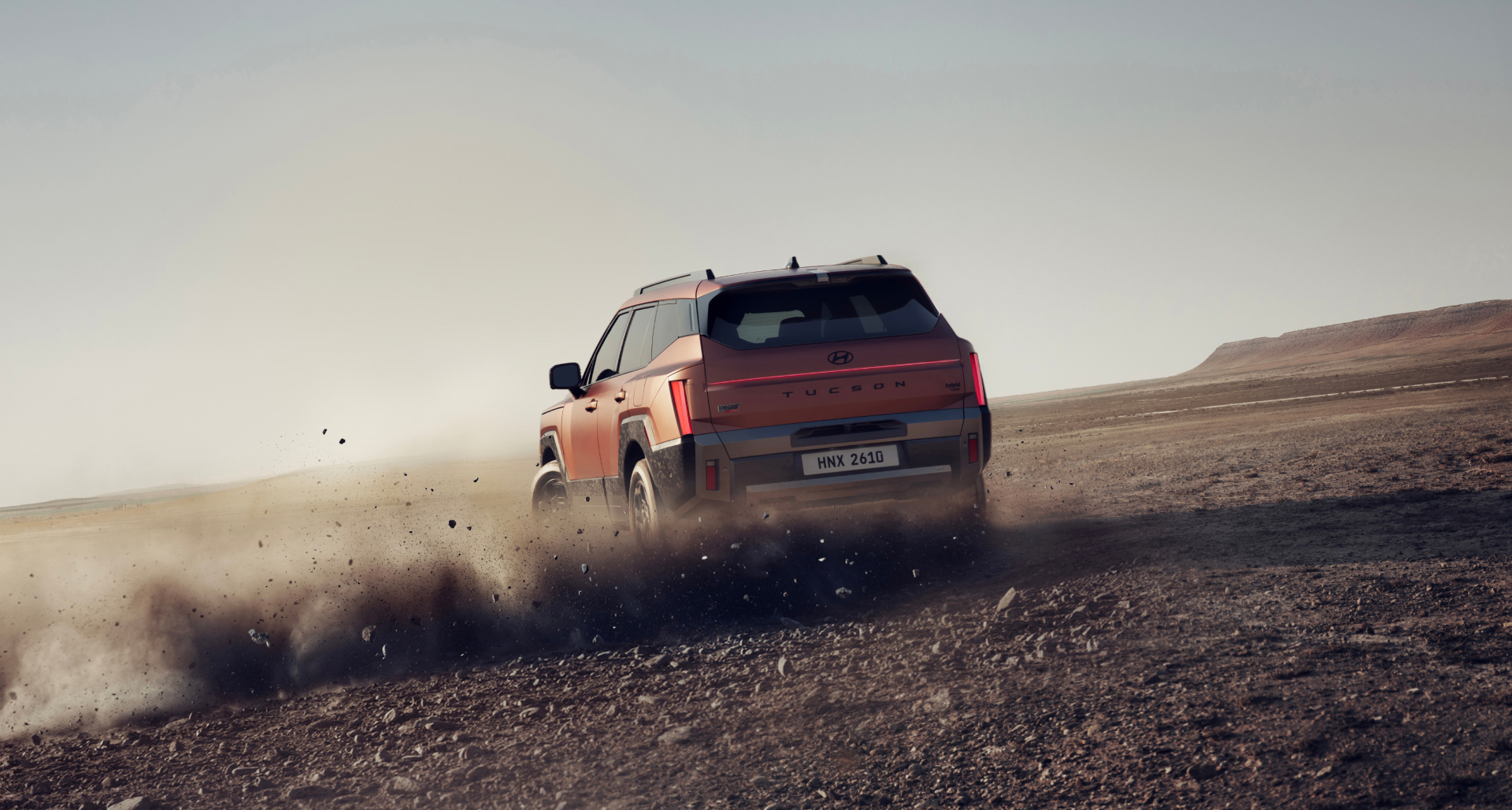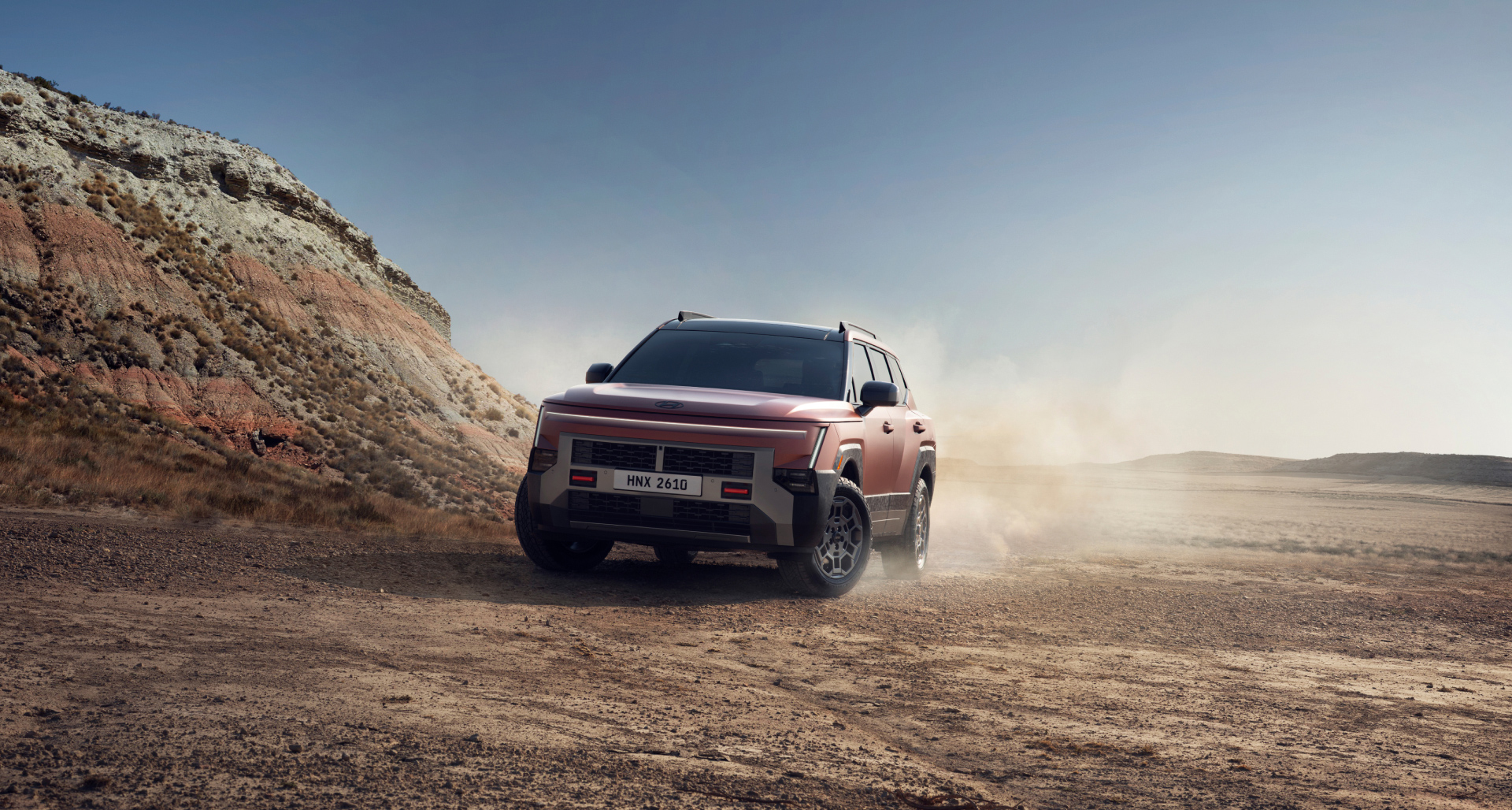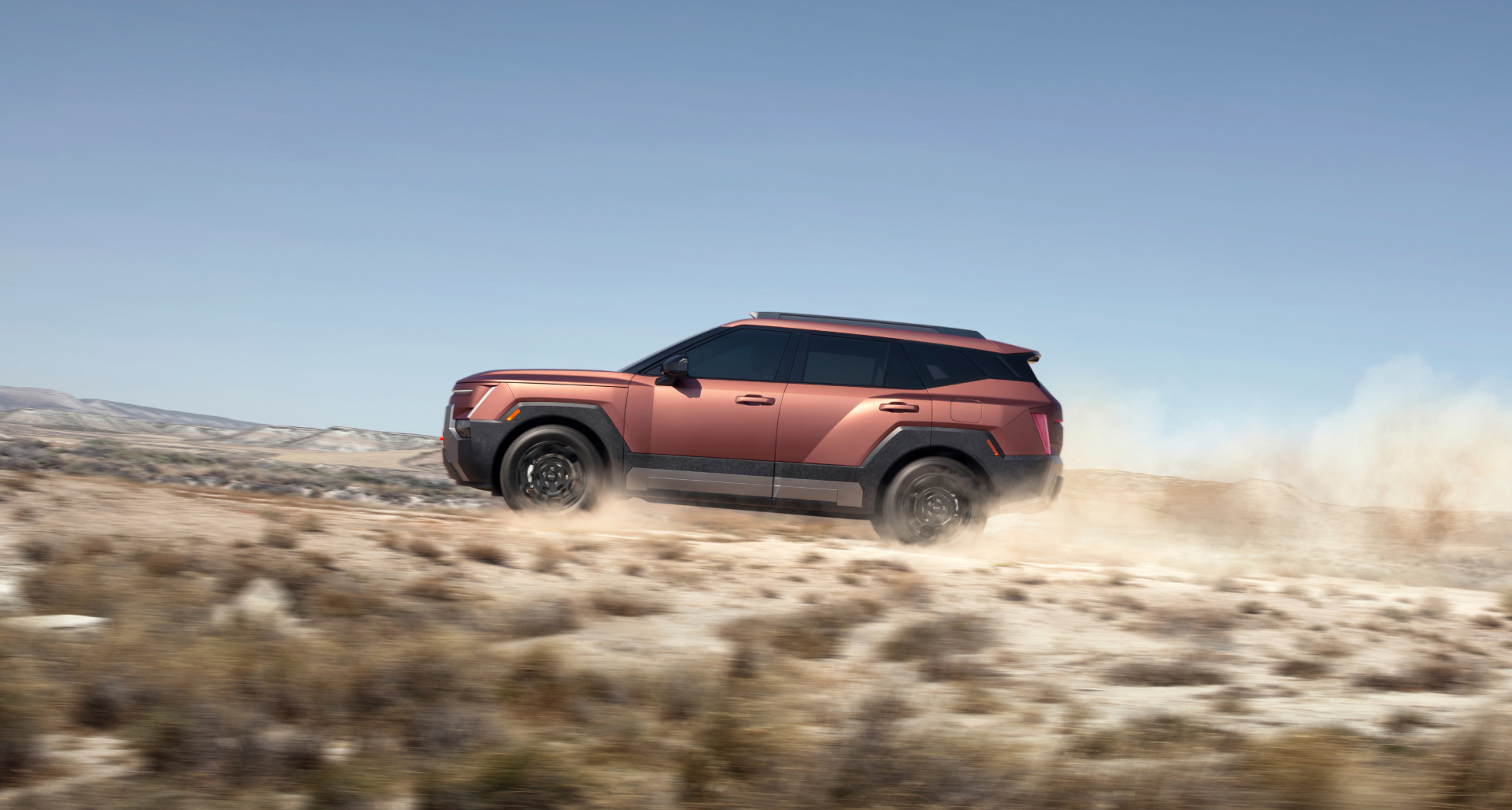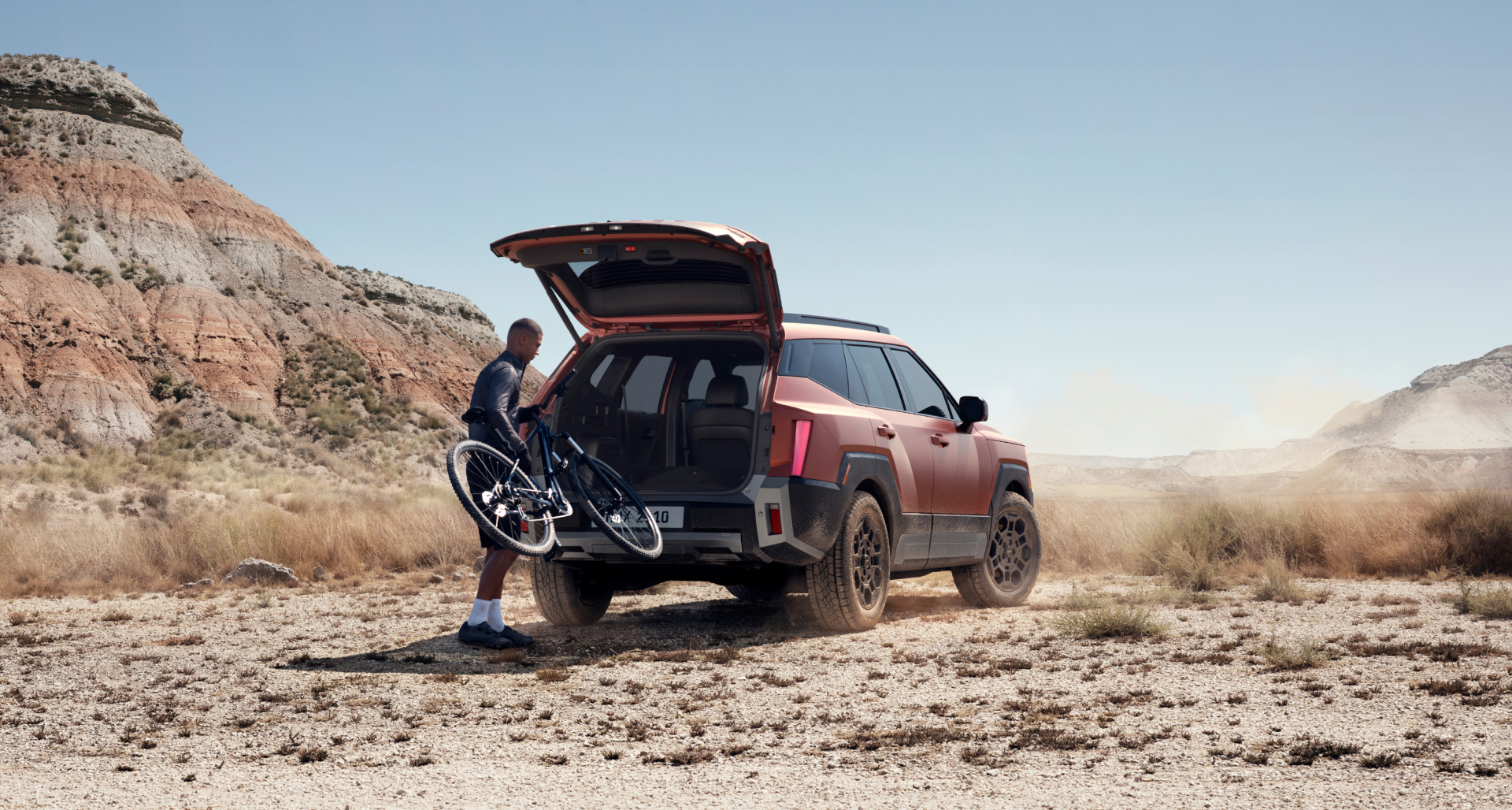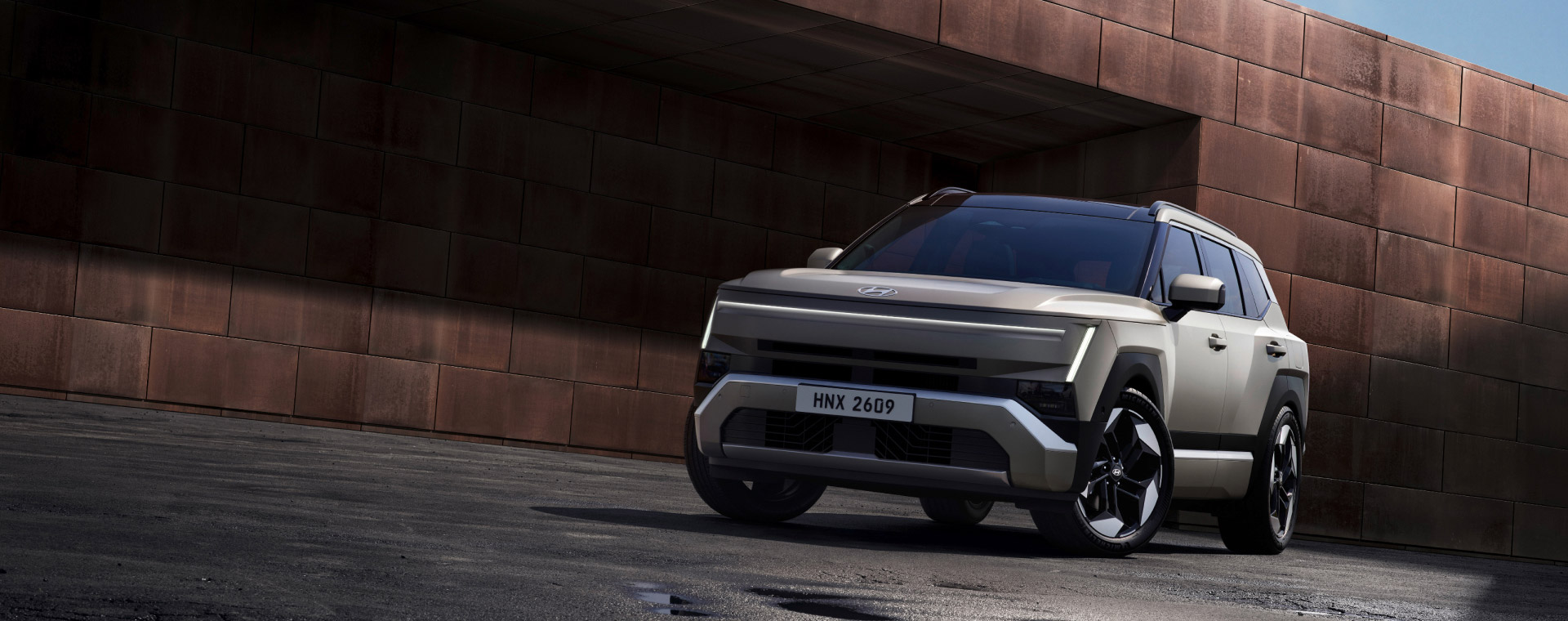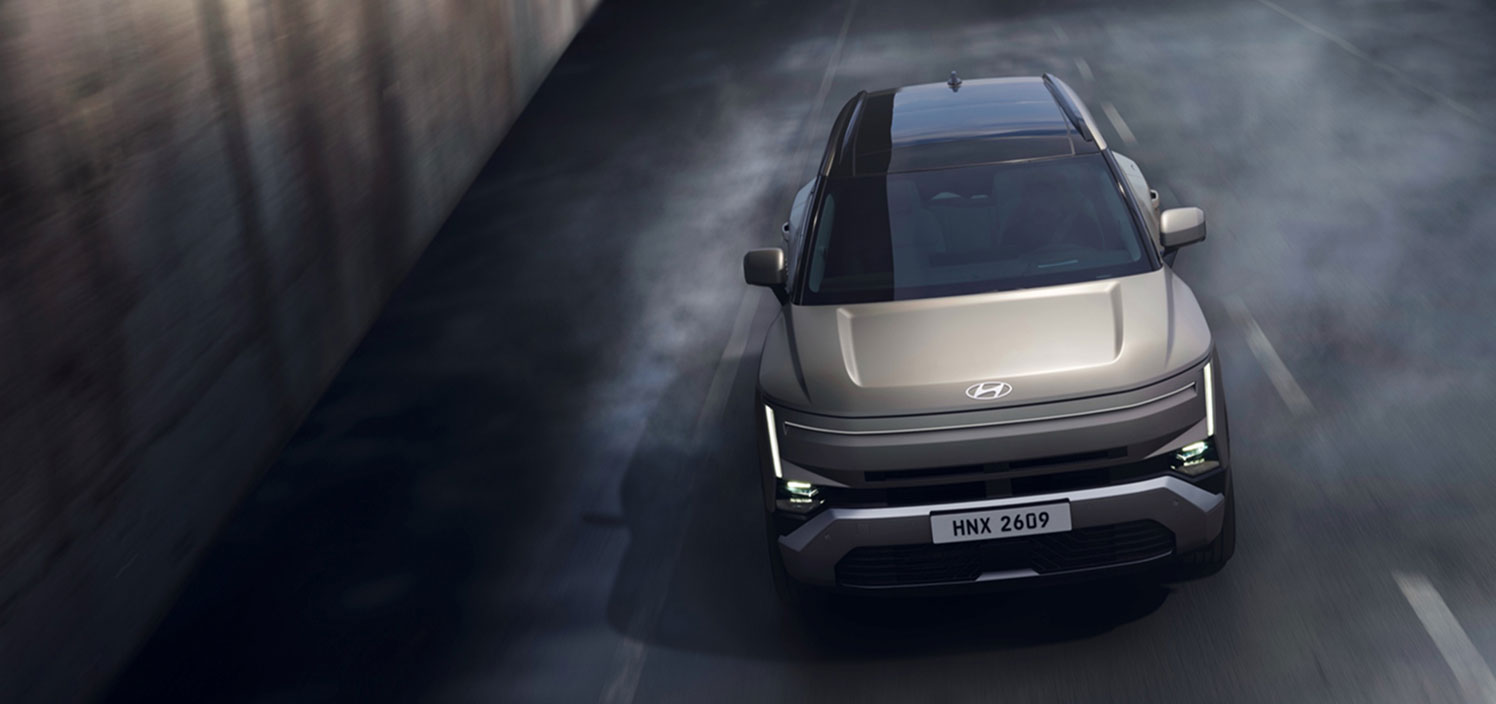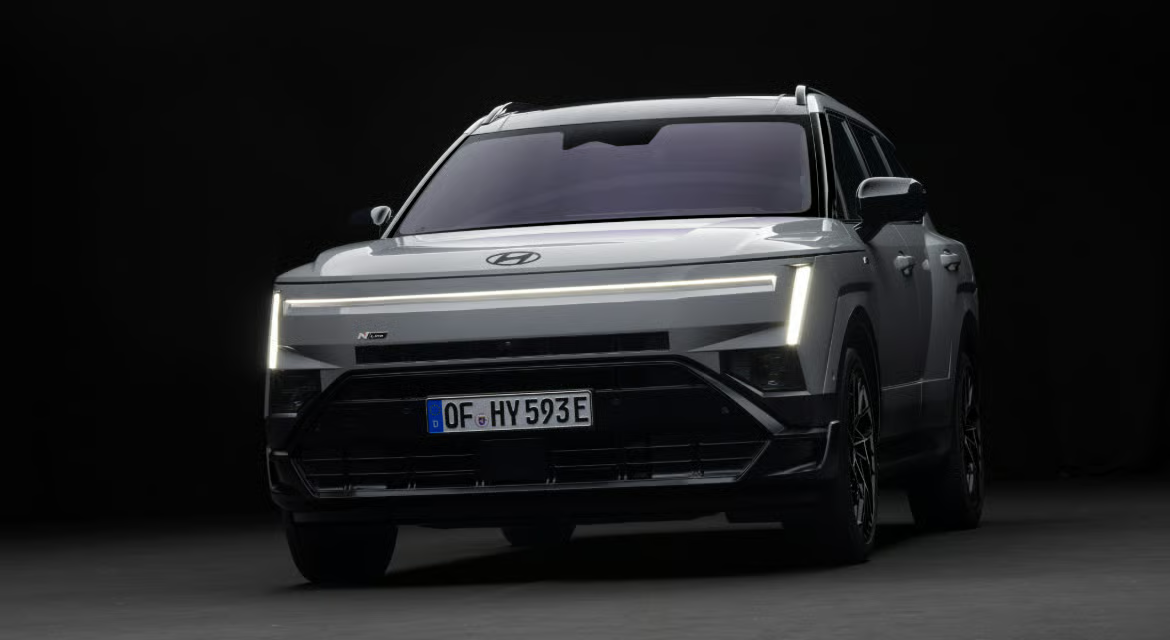
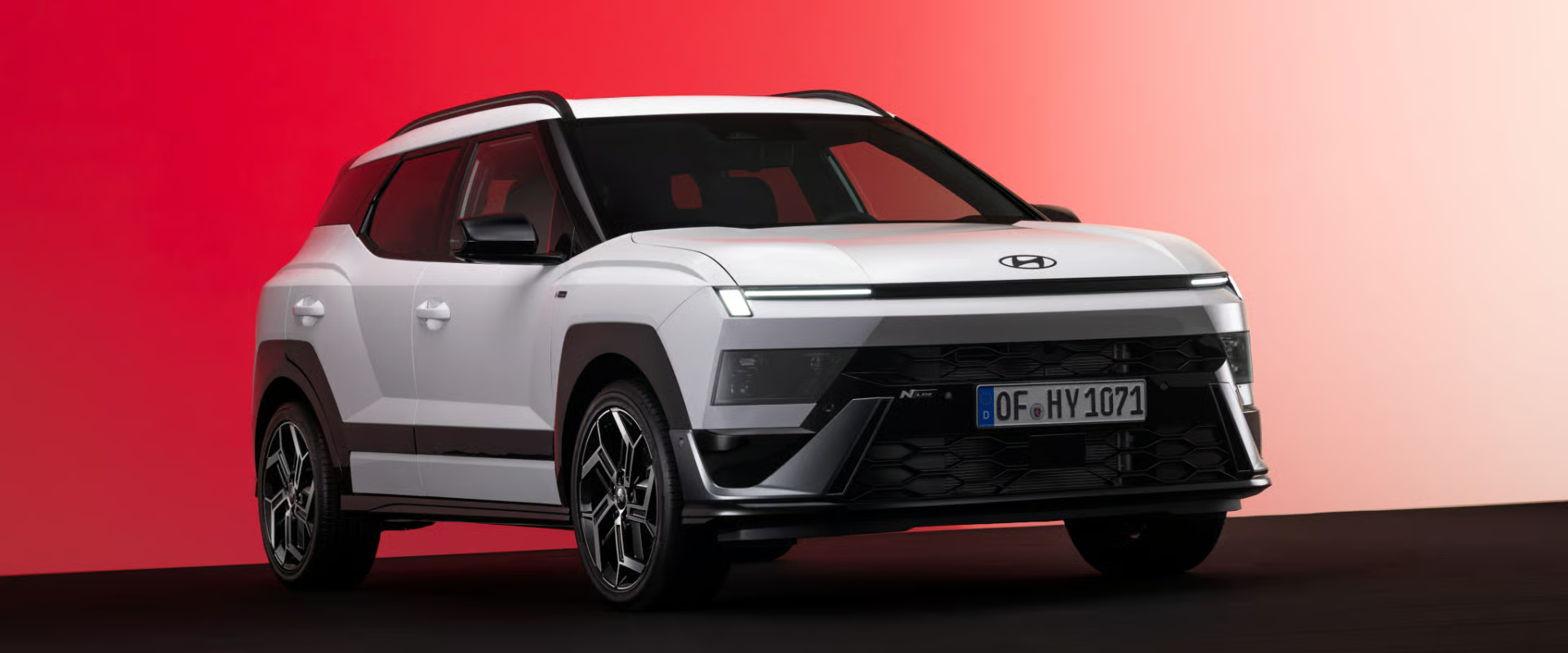
Hyundai brought the revised Bayon to Paris in October, although it had to share the spotlight with the Tucson. That’s familiar territory for the little crossover. It has always lived in the shadow of something bigger.
The question isn’t whether Hyundai can make it look newer. It’s whether the Bayon still makes financial sense for somebody who needs a practical car, not another expensive collection of screens.
Its size is the first attraction. In a crowded car park, a compact crossover is easier to manage than a family SUV. You get a slightly raised seating position without committing to a vehicle that feels oversized on narrow streets.
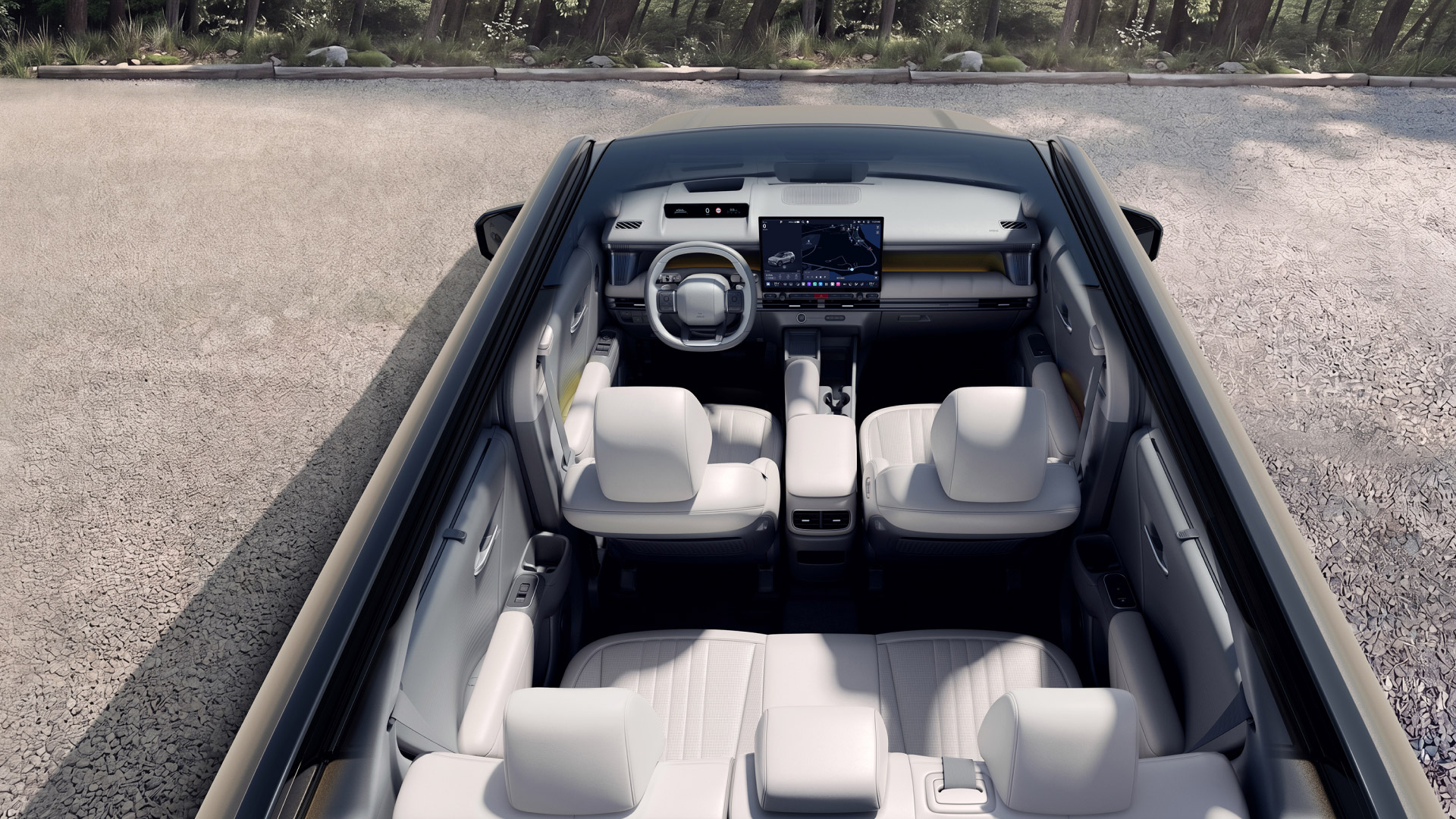
But there’s a limit to that advantage. A higher roofline doesn’t magically create more luggage space, and anyone regularly carrying three adults in the back should check the cabin before signing anything.
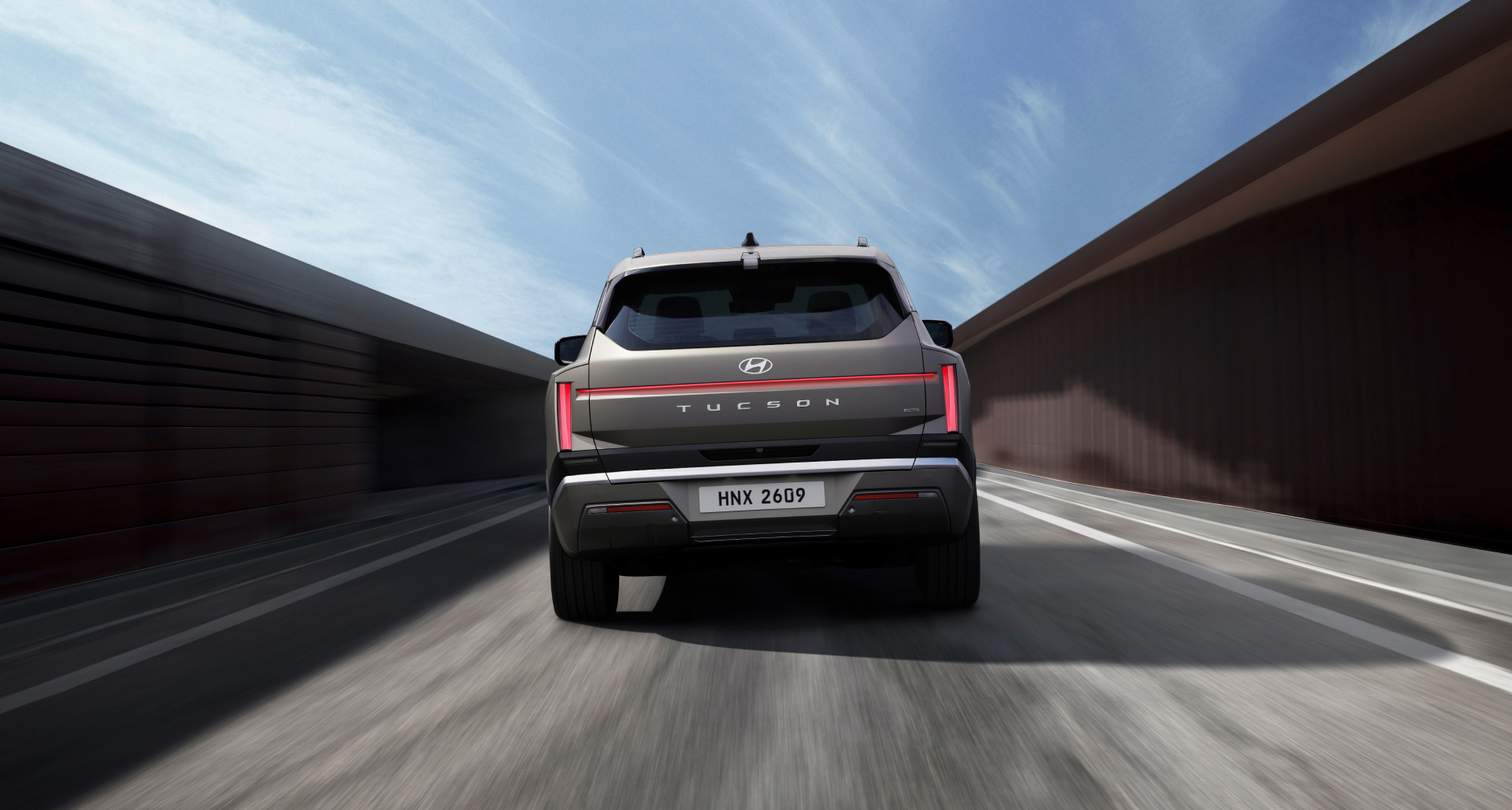
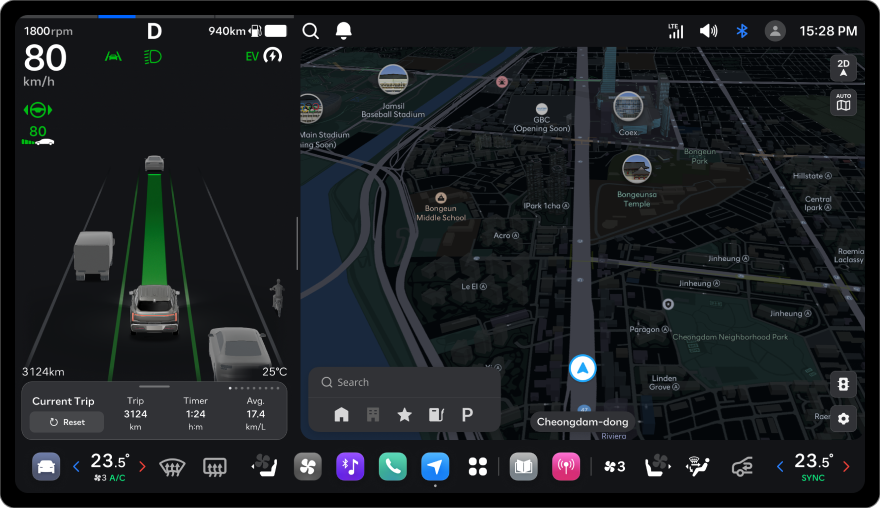
Hyundai has updated the styling and promises improvements to connectivity, comfort and driver assistance. Those are welcome, provided the equipment people actually want isn’t buried in costly option packs.
I’d start with the entry-level specification. Does it include the safety features, parking assistance and phone connectivity a buyer uses every day? If not, the attractive advertised price can lose its appeal quickly.
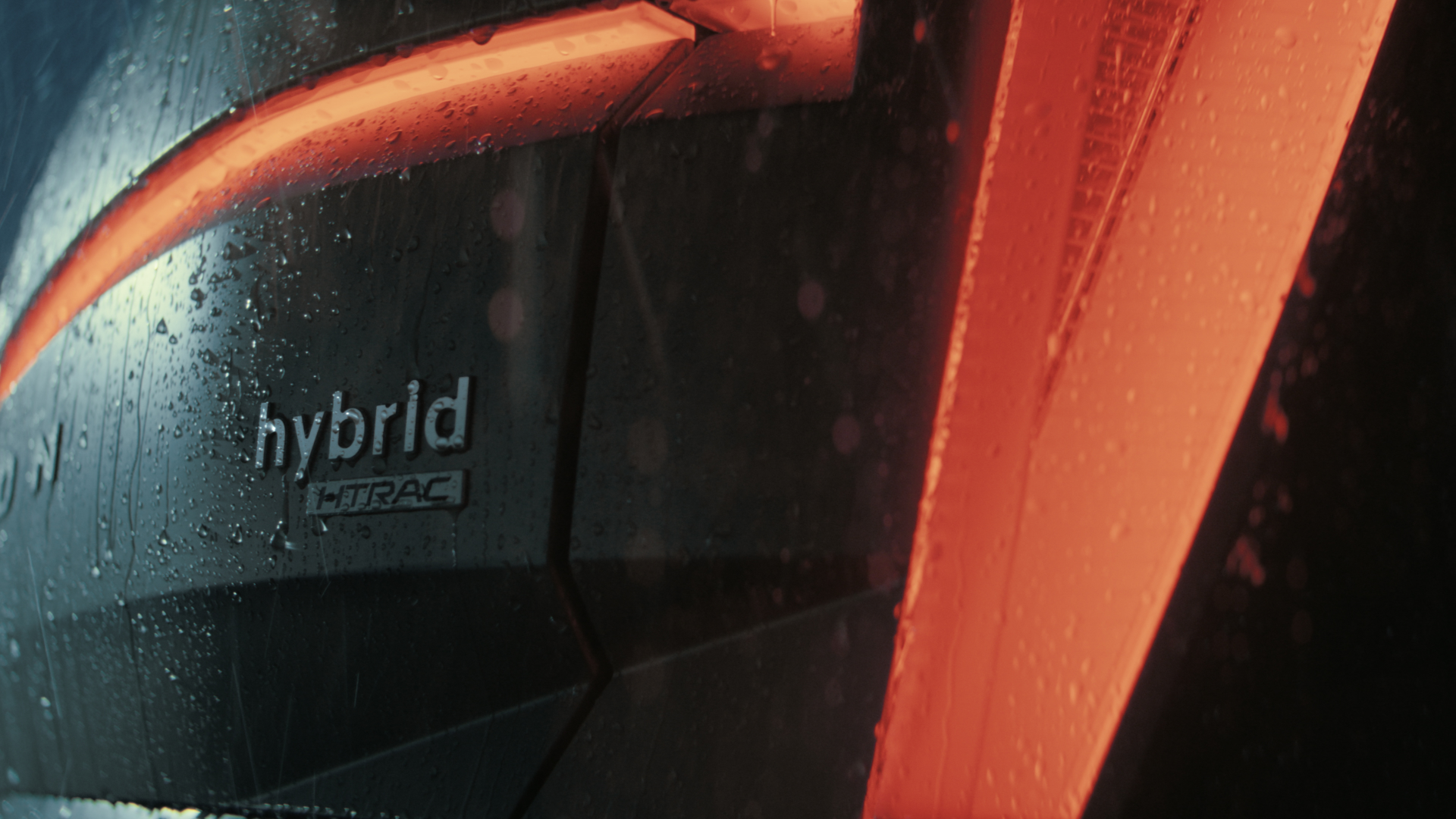
The other development is under the bonnet. Hyundai says a hybrid version will join the range in 2027.
That sounds sensible for a car likely to spend plenty of time stopping and starting in town. Electric assistance can make that sort of driving more efficient, but the final figures matter. There’s little point celebrating a hybrid badge before we know its fuel consumption and price.
I’d also want to know how it behaves on faster roads. A small engine that feels adequate around town can become less pleasant when the car is loaded with passengers and luggage.
For now, there isn’t enough confirmed information to settle those questions. Hyundai still has details to release, so comparisons with established rivals would be premature.
What interests me most is the Bayon’s place in the showroom. Buyers once chose a small hatchback because it was affordable, easy to drive and cheap to maintain. Today, they’re often encouraged to spend more for a crossover with similar everyday abilities.
The revised Bayon has a chance to justify that extra expense. It needs useful equipment, a sensible hybrid price and enough comfort to make longer trips bearable.
Until Hyundai publishes the complete specifications, I’d hold off on declaring it a bargain. The badge and new styling won’t tell us what ownership actually costs.